NEWS
Twitter has a funny way of rewriting history. One viral post, and suddenly entire eras get flattened into bad takes. That’s exactly what happened recently when a user tweeted, “2017-2018 was the worst year for Hip-Hop. we was listening to some bullshit.” There’s some truth to the critique—we can’t pretend that Lil Pump, Smokepurpp, and 6ix9ine didn’t feel like a collective psyop in hindsight. But calling 2017-2018 the worst years in hip-hop? That feels less like reflection and more like a reach for engagement.
In reality, that two-year stretch balanced youthful chaos with thoughtful maturity. While J. Cole caught stray after stray, and the influence of Tupac and Biggie started to fade among younger listeners, hip-hop was evolving in real time. The underground and the mainstream shared space. Genre lines blurred. Streaming took over. Every corner of rap—from emo-trap to coke rap—had room to thrive. For every throwaway hit, there were albums that pushed boundaries, redefined artists, and quietly laid the foundation for where hip-hop is now. So no, it wasn’t the worst. If anything, it was a messy, unpredictable bridge between generations. Here are 11 albums that prove just how wild and magical that moment really was.
Ed. note: This isn’t a definitive ranking or a comprehensive “Best Of” list—just 11 hip-hop albums from 2017-2018 albums that are absolutely worth revisiting.

Hip-hop and dance music have always been linked, from Afrika Bambaataa’s “Planet Rock” to Dr. Dre’s early days with World Class Wreckin Cru. Vince Staples’ Big Fish Theory took that relationship further, blending electronic sounds with razor-sharp flows filled with acute commentary on race, politics, and mental health. At just 36 minutes, the album doesn’t waste time. The production is unconventional for rap—more suited for underground raves or stadium stages—but Vince commands it with ease. Tracks like “BagBak” and “Crabs in a Bucket” show how effortlessly he flows over these experimental beats. “Yeah Right,” featuring Kendrick Lamar, brings two West Coast legends together in a chaotic, high-energy anthem that leaves a mark. More than genre-bending, Big Fish Theory cements Vince as a boundary-pusher in hip-hop, and with each album that came after, he remained committed to crafting sounds that were fresh, bold, and uncompromising without losing its edge.
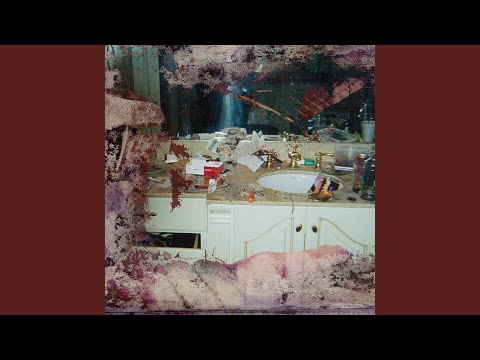
The Wyoming sessions of 2018 were among the most exciting ventures in hip-hop, with Kanye West spearheading production on five albums: his solo project, a collaboration with Kid Cudi, Teyana Taylor’s record, Nas’s album, and—most notably—Pusha T’s first release in three years, Daytona. While the era’s concept was compelling on paper, its execution was marred by Kanye’s erratic behavior (like every other era of Ye since then). Nonetheless, Daytona emerged as a standout, showcasing Kanye’s innovative production prowess alongside Pusha T’s sharp lyrical delivery. This seven-song project, the first to drop from the Wyoming sessions, set a high standard. Merging lush, boastful rap bars with bleak, streetwise observations, the album cemented Pusha T’s status as one of hip-hop’s finest. Whether it’s flaunting excessive street money that fuels bottle service and referencing caviar facials on “The Games We Play,” or painting red-hued visions of vengeance on “Santeria,” Daytona proves that its concise runtime never detracts from the chemistry built upon Pusha T’s dynamic range and Kanye’s production genius.

It feels like it’s been a century since “Migo-Mania” entered our vernacular. After a string of hit records and an organic buzz that flowed from the blogosphere to streaming services, Migos burst onto the scene with the first—and arguably best—installment of the Culture series. The album’s hitmaking, from the gargantuan “Bad & Boujee” (which even earned them a Golden Globes shout-out) to showstoppers like “Deadz,” clearly showcased their firm grip on the culture. At the peak of their prowess, Offset, Takeoff, and Quavo were completely in sync, while production from Cardo, Zaytoven, Buddha Bless, and others crafted a soundscape that cemented Migos’ era in hip-hop history. It’s unfortunate we never saw that level of chemistry again, especially not in projects that felt either bloated or forced compared to Culture. Migos had the world in their palms on Culture, a critical project during hip-hop's 2017-2018 run that embodied Atlanta entirely and watched them cross the line from hipster and hood favorites to mainstream superstars.
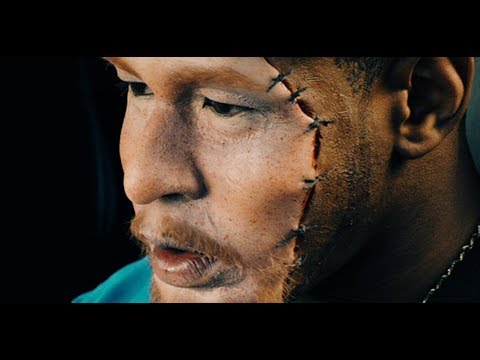
Tyler, The Creator has always moved to the beat of his own drum, often feeling like an outsider in hip-hop. Across his first three albums, he built immersive worlds through masterful production and storytelling. But Cherry Bomb marked a shift—shedding the alter-egos of his early work for a more unfiltered approach. Then came Flower Boy, a turning point where he embraced vulnerability, offering rare glimpses into his otherwise guarded personal life.
Despite his unruly persona, Flower Boy saw Tyler confront years of criticism and controversy with newfound introspection. It also showcased his evolution as a producer, weaving neo-soul and jazz influences into lush, dynamic soundscapes. With collaborators like Frank Ocean, Lil Wayne, A$AP Rocky, Estelle, Kali Uchis, and Jaden Smith, he crafted some of his most refined work yet. Meanwhile, tracks like “Who Dat Boy” and “I Ain’t Got Time” proved his lyrical firepower was as sharp as ever.
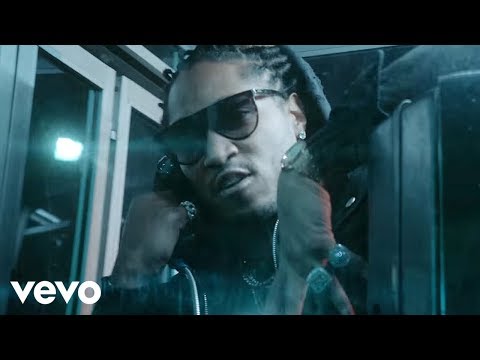
2017 was a pivotal year for many artists, but for Future, it was proof that no one tugs at heartstrings quite like him. In just one week, he dropped two chart-topping albums, each with its own distinct vibe. FUTURE was a raucous celebration of his dominance in hip-hop—not necessarily groundbreaking, but a masterful display of everything that made him a unique and influential voice. Tracks like “Draco” and the now-iconic “Mask Off” cemented themselves among his greatest hits. It was classic Future, but the energy felt different—he was supercharged.
Then, just a week later, he unveiled HNDRXX, a lush, R&B-driven project. Though he had long experimented with melody, this album fully embraced his pop sensibilities, gliding over sleek, spacey production that let his emotive delivery shine. Guest appearances from The Weeknd, Chris Brown, Rihanna, and Nicki Minaj further solidified his presence in mainstream pop without compromising his grit. While most artists might blend styles into a single album to showcase versatility, Future’s back-to-back releases proved his songwriting strength—delivering two distinct yet equally compelling projects that reaffirmed his reign.
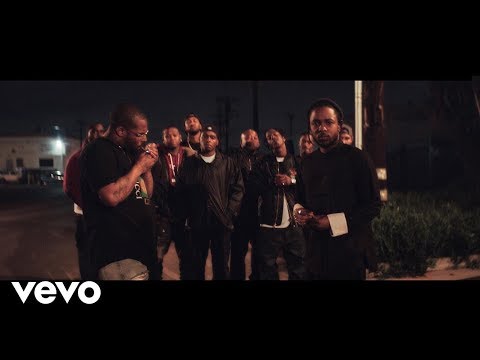
With DAMN., Kendrick Lamar went three-for-three. He already had a certified classic debut with good kid, m.A.A.d city and delivered one of the most important hip-hop albums of the decade with To Pimp a Butterfly. As always, the question was: where would he go next?
DAMN. showcased Kendrick’s hitmaking prowess through a Wu-Tang-tinged lens. It wasn’t as overtly political as To Pimp A Butterfly, but it was just as intricate in its exploration of self. His writing remained razor-sharp, weaving through the hard-hitting energy of “DNA” and “HUMBLE” to the more subdued, introspective tones of “LUST” and “LOYALTY” featuring Rihanna. The album was a masterclass in balance—melding old-school warmth, impeccable lyricism, and the many layers of his persona into a project that felt both modern and timeless.

Already revered for her poetic lyricism and understated delivery, Room 25 marked a true coming-of-age moment for Noname. Her 2016 debut, Telefone, introduced her as a thoughtful voice in alternative rap, but Room 25 found her fully stepping into adulthood. With a broader emotional range and a more refined sound, the album honed in on themes like politics, self-doubt, and fame, especially poignant during a time when mainstream rap was louder, brasher, and more commodified than ever. Instead, Room 25 delivered introspective, jazz-infused storytelling that felt deeply relatable and transparent in its depiction of the human experience. Few artists successfully dodge the so-called sophomore slump, but with Room 25, Noname elevated her artistry and cemented her place as one of hip-hop’s most unique and essential voices.

The West Coast might feel like it's experiencing a resurgence right now, especially with the buzz around Kendrick Lamar’s GNX. But the 2010s laid a solid foundation for a new generation of artists, even if their sound remained deeply regional. Take Victory Lap, Nipsey Hussle’s first and only studio album. After years of dropping mixtapes and pioneering independent marketing strategies, the project arrived as both a culmination of his hustle and a testament to his lyrical prowess. For those who had followed his journey, Victory Lap encapsulated everything that made Nipsey a singular force—G-Funk influences shined through on tracks like “Rap N***as” and “Last Time That I Checc’d,” deep introspection surfaced on “Young N***a,” and, as always, he dropped gems on “Hussle & Motivate.” Though it was his final release, Victory Lap was a defining statement in a decade-plus long run that saw his determination and vision come to fruition. It marked an era where the stars of the blog era fully stepped into their own, cementing Nipsey’s legacy in the process.
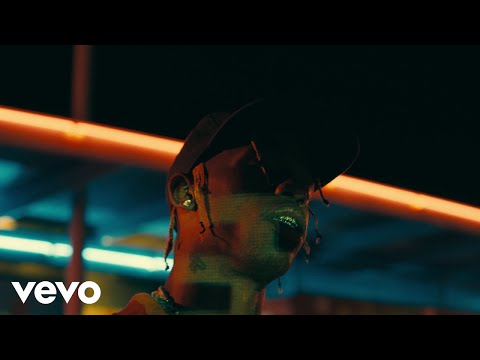
I wouldn’t call myself a Travis Scott fan, but there’s no denying the strength of Astroworld—undoubtedly his best project to date and a definitive project in hip-hop between 2017-2018. Years after sparking a tight collaborative relationship with Kanye West and lending his signature touch to other artists’ hooks, Astroworld felt like the fully realized, immersive universe he had always envisioned for his fans. The album hit every note of the psychedelic, Atlanta-inspired trap sound he helped shape throughout the 2010s, but this time, his artistic and experimental instincts were sharper than ever. While “SICKO MODE” dominated the charts, deeper cuts like “Coffee Bean” and “Skeletons” showcased the full breadth of his influences, seamlessly blending indie rock, psychedelia, and hip-hop into one cohesive vision. With its sprawling guest list and ambitious production, Astroworld felt like this generation’s closest answer to My Beautiful Dark Twisted Fantasy—a grand, genre-blurring statement from an artist at his peak.
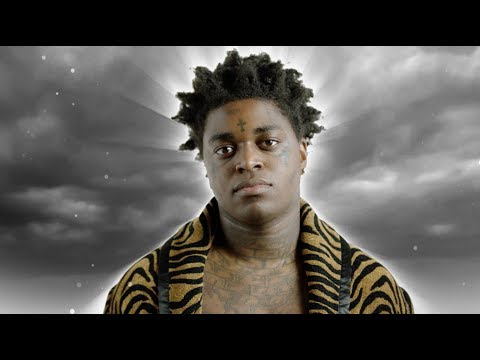
2017 was undoubtedly a rough patch in Kodak Black’s career—one that foreshadowed the long list of legal issues and personal struggles he would face in the years to come. A pending rape charge and a series of frequent arrests kept him in and out of jail throughout that year and into the next. However, for all the turmoil he experienced, the existential threat these problems posed to his freedom and career ultimately gave rise to Dying to Live—arguably his most cohesive project to date.
Unlike his earlier, more reckless output, Dying to Live balances gritty street tales with moments of vulnerability and reflection. Tracks like “Calling My Spirit” and the platinum-certified “Testimony” reveal a young man wrestling with fame, faith, and freedom. While still raw and imperfect, Kodak shows notable growth both lyrically and emotionally. Even with the project’s introspective tone, he still delivered hits, including the steel-drum-driven “Zeze” featuring Travis Scott and Offset, and the Juice WRLD-assisted “MoshPit.”
At a time when arrests in hip-hop were making headlines almost weekly, Kodak’s pivot felt essential. Dying to Live wasn’t just about survival. Throughout the project, Kodak was processing pain and reaching for something greater. More importantly, it humanized an artist often defined by controversy, and provided far more depth to his persona beneath the headlines. Through this project, Kodak’s artistry evolved into something more honest, reflective, and real.
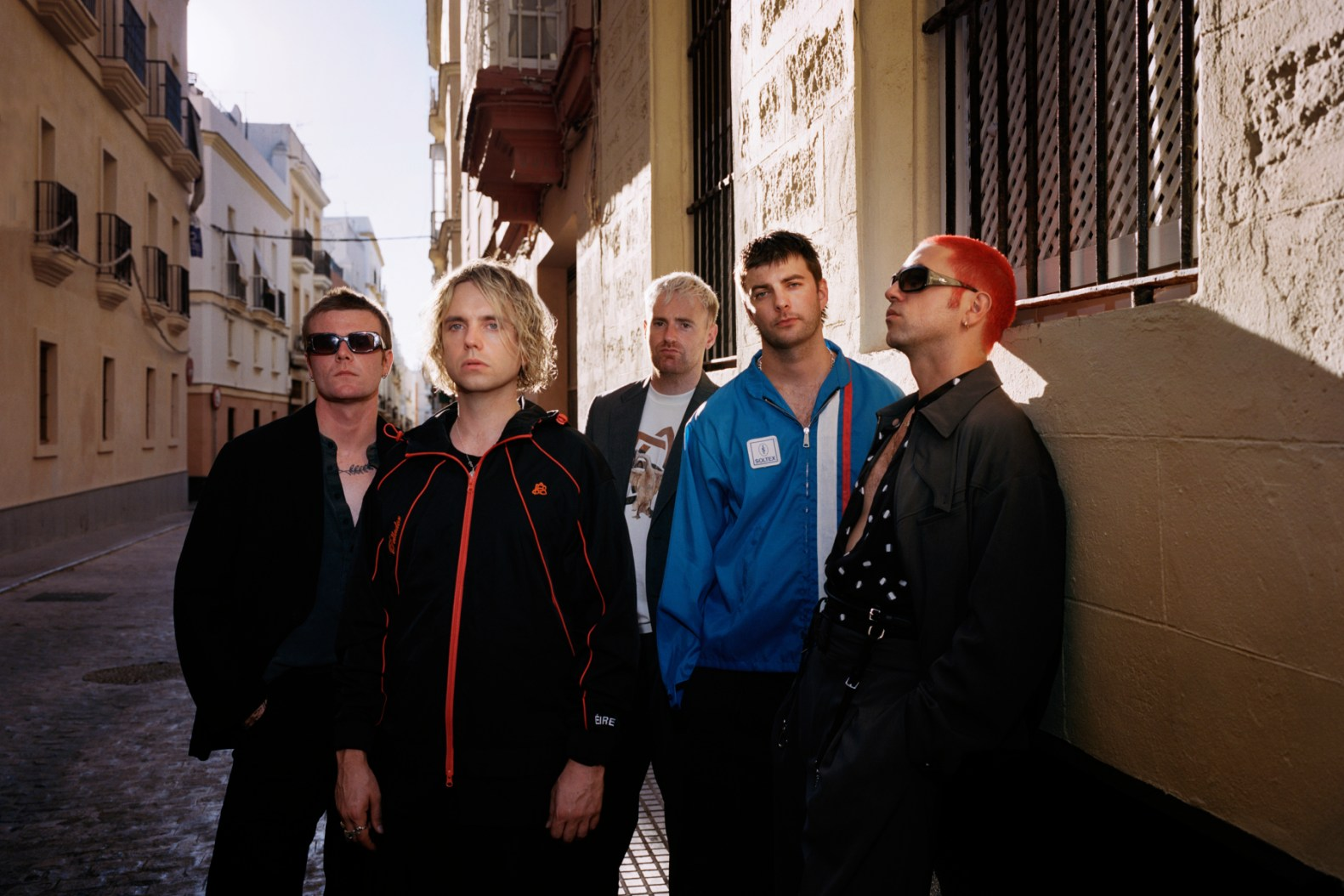
Fontaines D.C. have teamed up with Rosalía for their new collaboration, Where Is Gone?.
The song features on the Irish rock band's forthcoming album, Dopamine Chamber, which arrives on Friday (16.10.26). For guitarist Carlos O’Connell, working with the Spanish superstar is particularly special because of his own Spanish roots.
He explained: “I’ve admired Rosalía ever since her debut album, which I thought was absolutely beautiful.
“What excited me most was the way she continued to preserve Spain's musical traditions, something that felt spiritually connected to what we've been trying to achieve with Irish music. Having roots in both countries, it's been really special to witness. "She's an artist who has continued to amaze me at every point in her career.”
Frontman Grian Chatten has also described the collaboration with Rosalía as one of the most memorable achievements of his career.
He revealed that he felt "humbled" when she agreed to lend her voice to the band's album.
Speaking to NPR, Grian said: “I've always felt there's something almost like a single big idea that I'm personally trying to communicate to the world before I get old and die, if that makes sense. There's one thing I think I'll spend my life trying to express. I have a feeling she has a similar outlook. … I mean, she's an amazing arranger, composer and lyricist. It means so much that she wanted to sing on something we'd put together. It's definitely one of the highlights of my career.”
Rosalía's links to Irish rock music extend beyond Fontaines D.C. She also offered inspiration and helped develop the Spanish lyrics for U2's The Mirror Maker (Rosalía), a track from their forthcoming album, Carnaval de Luz.
During an appearance on The Tonight Show Starring Jimmy Fallon last week, she spoke about frontman Bono, saying: “I don't know him personally, but he sent me a text explaining that he was working on a new project and had written a song called The Mirror Maker."
Rosalía joked that Bono had invented a few words of his own.
She recalled telling him: “I wasn't sure what to make of it, but I told him he could create his own language if he wanted to.”
She described the opportunity to collaborate with the 66 year old music veteran as a real privilege.
She added: “Bono is a legend.
“It's amazing.”
Bono recently revealed that he was worried about seeming like a stalker when he reached out to Rosalía to ask whether he could name the song after her.