Operas don’t get more Christmassy than Engelbert Humperdinck’s Hansel and Gretel. Not so much in content – crushing poverty, a scary forest, a child-eating witch – as by venerable association since its world premiere on 23 December 1893. Long before it became a fixture of festive programming, the composer gifted early versions of the score to his fiancee for Christmas. Twice.

We can only hope she was as delighted by it as the hordes of children brought to the Royal Opera’s latest “family-friendly” matinee revival of Antony McDonald’s 2018 production, sung in English translation. Clad in plastic wellies, mini bow ties and everything in between – only the inflatable booster seat was de rigueur – they provided a constant backdrop of muted wonder and sensible questions. Who was that figure lurking threateningly in the woods? Why did that stag have a rifle?

For the adults in the audience, McDonald’s staging makes the bigger picture rather too obvious. It all takes place inside an enormous picture frame. A painted alpine scene on a scrim reveals brief glimpses of family life during the overture: first happy then increasingly impoverished, with empty shelves and squabbling. An oversized copy of Grimm’s Fairy Tales appears periodically throughout.

Hansel and Gretel.
A rare, unexplained moment of magic … Hansel and Gretel. Photograph: Tristram Kenton/Clive Barda

There is a gorgeous, blink-and-you’ll-miss-it ballet as the children sleep, involving a panoply of other fairytale characters (Snow White, Cinderella and her prince, Rapunzel, Little Red Riding Hood and the Big Bad Wolf) – but it is a rare, unexplained moment of magic. And there ultimately isn’t much space for adult enchantment when the protagonists are this overdrawn. Kate Lindsey’s Hansel stomps and gurns, every gesture panto-ready, while Heidi Stober’s Gretel has the manic energy of a kids’ TV presenter. The sudden tranquillity of their evening prayer feels out of place, its tempo unsettled.

Carole Wilson’s Witch has a fine line in cackling (one young audience member immediately burst into tears) but otherwise sounds uncomfortable. The smaller roles are excellent, the chorus of rescued children in the final scene beautifully blended. In a promising UK debut in the pit, conductor Giedrė Šlekytė makes space for some exquisite solo lines and injects Humperdinck’s luxuriant score with enough momentum to prevent stodginess. But perhaps none of this matters as much as the roar of fury hurled at Wilson’s Witch during the curtain calls, or the gaze of one child, still fixed wide-eyed on the stage as she is pulled towards the exit.
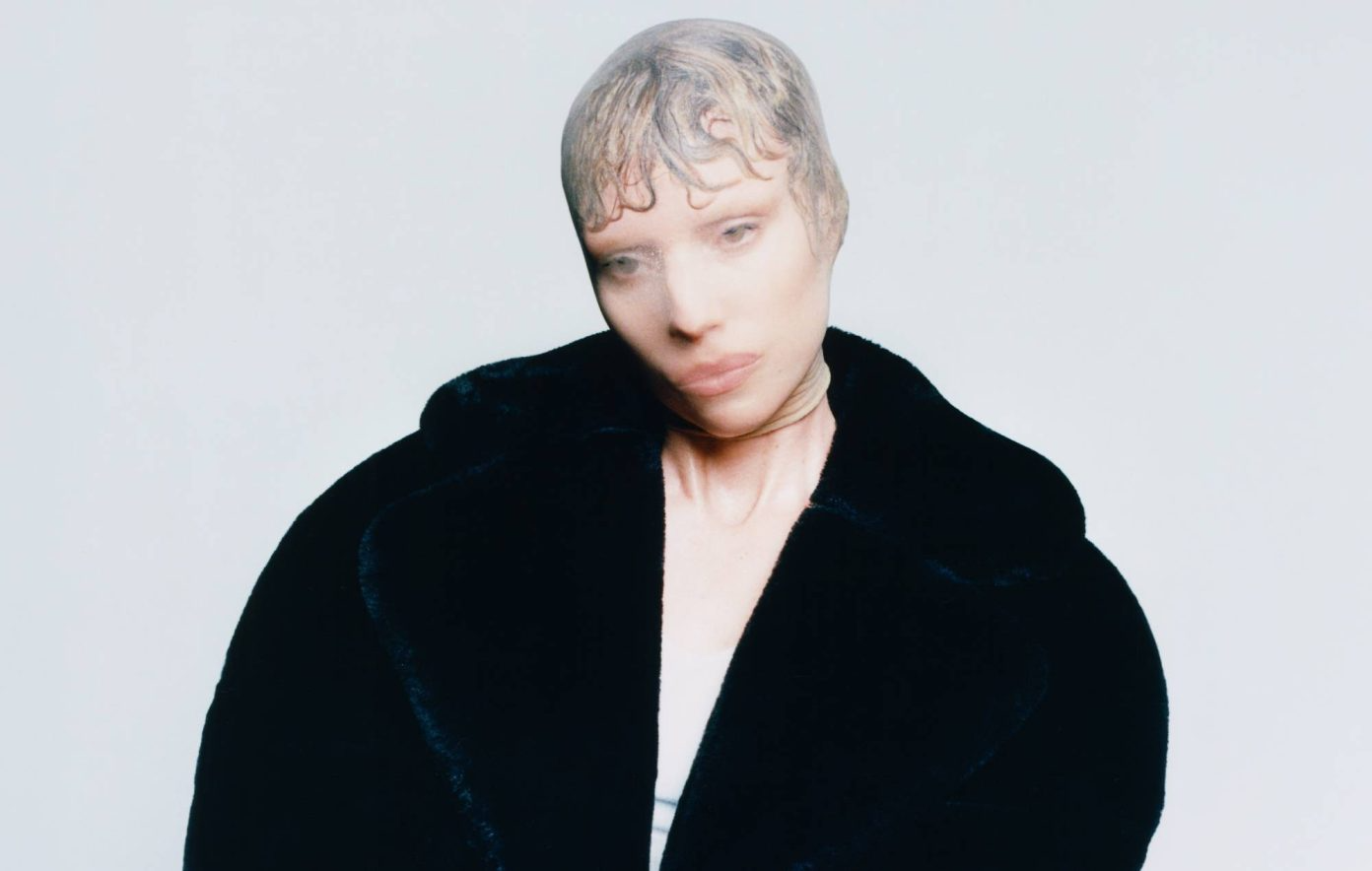
Lykke Li didn’t hold back when speaking about the making of her sixth studio album, ‘The Afterparty’, during a listening session in Los Angeles earlier this year. “Let’s talk about the album. It was a motherfucker to make,” she admitted to the crowd. While balancing motherhood, the chaos of modern culture shaped by Trump and AI, and her own desire to create something more “extroverted, impulsive and chaotic” than ‘EYEYE’, as she previously shared with NME, the Swedish alt pop star arrived at a headspace that “feels like it’s 4am and the sun is going to rise”. The record captures that blurry final moment before regret, exhaustion and reality settle in, which makes it even more emotional considering she has hinted this could potentially be her final album.

There is something fitting about how brief the project feels. With only nine tracks running across 24 minutes, it never overstays its welcome. Lykke immediately drops listeners into the atmosphere with opener ‘Not Gon Cry’, painting a picture of those lonely early morning hours with the line, “No angels here tonight, no dancing queens.” Alongside the shadowy pulse of ‘Happy Now’ and the twisted disco energy of ‘Lucky Now’, she revisits the emotional yet dance driven spirit of her earlier material while blending in the sharper, more confident attitude heard on ‘So Sad, So Sexy’ and the shimmering influence of her 2019 Mark Ronson collaboration ‘Late Night Feelings’.

The emotional fallout begins to settle in quickly. ‘Famous Last Words’ carries a lush orchestral sadness as Lykke reflects on lessons that only came after years of chaos and late nights, confessing, “I had to crash and burn to tell the tale.” Then comes ‘Future Fear’, a delicate acoustic track with robotic textures that stares directly into anxiety and uncertainty with the chilling question, “I’m going to a dark place, do you need anything?” Meanwhile, ‘So Happy I Could Die’ glows like sunrise after a sleepless night, holding onto fleeting moments as she sings about “slipping through the hourglass”.

Throughout the album, Lykke Li vividly captures the beauty and wreckage of reckless nights with the vulnerability that has always defined her music. On ‘Sick Of Love’, she channels heartbreak into revenge, wanting to “make you beg for it” after rejection in a way that feels spiritually connected to Robyn’s ‘Dancing On My Own’. One of the strongest moments arrives with ‘Knife In The Heart’, a track that fully embraces her desire to become the “rock god” and “fuck boy” she spoke about, firing back at anyone who tries to tear her down with the words “you can spit, you can walk on me” while delivering one of the catchiest songs she has created in years.

Closing track ‘Euphoria’ leaves behind the same bittersweet feeling that runs through the rest of the album. With sweeping strings, pulsing beats and emotional intensity, Lykke Li reminds listeners that nothing lasts forever as she sings, “Player play your song, waste the night away”. Like the fading energy of the perfect night out, ‘The Afterparty’ ends in a haze of beauty and uncertainty. If this truly is her farewell, she leaves with one final intoxicating statement, though it still feels like there could be another chapter waiting.

Details

Lykke Li 'THE AFTERPARTY' artwork

  • Release date: May 08, 2026
  • Record label: Neon Gold Records/Futures


CONTINUE READING