
MUSIC PREMIERES

Georges Bizet died, aged 36, thinking Carmen was a flop. He was barely in his grave when those who had curled their lips at its premiere three months earlier – too immoral, too long, too shapeless – changed their minds, knocked into sense by grief. History has done the rest. A highlight of the opening weekend at the Edinburgh international festival was a production by the Opéra-Comique, Paris, where the work was first staged in March 1875. French authenticity, linguistic fluency and wit were only part of its success. This was the third Carmen I have seen this year: each anticipated with muted excitement (not another Habanera), each, in their different ways, replacing hesitancy with surging adrenaline and musical brilliance. If only Bizet had known. His story is not as terrible as Van Gogh’s but there are parallels.
Travelling light, with a simple set and few props, this version – conducted by Louis Langrée, directed by Andreas Homoki and designed by Paul Zoller – leaps across the centuries, incorporating tropes from the original Paris staging through to a generic present. Crimson and gold drapes in a false proscenium arch are constant, with a few meta-theatre tricks employed (follow spots, house lights, surprised acknowledgment of an audience) but not overplayed. Costumes evolve, from top hats and bustles to wartime drab to jeans and T-shirts. In the final act, the crowd gathers to watch the arrival of the toreador’s mighty entourage – banderilleros! cuadrilla! – on a TV set. Its antenna aerial suggests the wheel of time stopped a couple of pre-woke decades ago. Carmen raises enough issues around male violence. No need to spell it out. (Other operas in the popular canon present far greater problems for directors to negotiate on that front.)

The French mezzo-soprano Gaëlle Arquez, without resorting to hip flicks or pouts, had sexy grace and vocal flexibility. She also played it cool. Dance? No way. When she tells Don José (the Albanian tenor Saimir Pirgu) that she will indeed dance for him, she merely sets about taking his clothes off: a reverse striptease. Pirgu was ideal casting, bright-toned, powerful, convincing in his sexual humiliation. The French bass-baritone Jean-Fernand Setti, as his rival Escamillo, had an almost comic level of swagger, but if you have to wear a skin-tight suit of lights and pink silk socks you should be allowed as much excess as you fancy.
The well-chosen ensemble cast, French chamber choir Accentus, and children’s choir la Maîtrise Populaire de l’Opéra-Comique were admirable, together and apart. In an updating of the auld alliance, this French company was joined by the Scottish Chamber Orchestra, who played with superb pliancy, catching all the sensuous accents of the score, conducted by Langrée with an energy that was at once relaxed, louche and explosive.
At the Usher Hall, every seat was sold for Yuja Wang’s solo recital: eight encores, each more extraordinary than the last, with a short concert attached. That’s only a slight exaggeration. This one-off pianistic meteorite, who holds the stage with magnetic authority and inscrutable charm, played a recital of Chopin’s Four Ballades, as well as eight preludes (and two fugues) by Shostakovich and Samuel Barber’s thorny, ferocious Piano Sonata Op 26 (1949): enough for anyone, you might say. There were internal connections in her choices, not least several percussive fugues. Wang plays her cards smartly, but isn’t one to reveal them. Ranging from Philip Glass to Tchaikovsky to a Chinese piece, she had the audience shouting “I love you” (well, someone did).

At the Queen’s Hall, the Leonore Piano Trio settled for one encore, by Haydn and just as thrilling in its own way. They had played Clara Schumann’s youthful Piano Trio, Op 17 and Helen Grime’s wonderfully inventive and varied The Brook Sings Loud, but the main work, Dvořák’s Piano Trio No 3 in F minor Op 65, showed the aural capacities of this combination of instruments, here excellently played by musicians happy to talk about the work in advance. In the case of the Grime, cellist Gemma Rosefield’s explanation was all that was needed to help the ear follow this atmospheric work, with its fitting nod to Highland bagpipes tradition.
Abstraction meets expressionism head on in Glyndebourne’s classic staging of Wagner’s Tristan und Isolde, new in 2003 and now in its fourth revival. Nikolaus Lehnhoff’s production (revival director Daniel Dooner) revels in potent stillness. Concentric circles, fixed and stepped, shift from slate grey to intense blue to black, now boat, now omphalos, now camera lens. The fated lovers stand apart, ineluctably joined by the might of Wagner’s score. As she sings her climactic Liebestod, Miina-Liisa Värelä, ardent and always secure as Isolde, dissolves into the great beyond as if swallowed by an omnipotent focal point. Twenty-one years on, the production still compels – not the only way to do this opera but one of the best.

The London Philharmonic Orchestra played with intensity, control and detail. Of the many high points across six hours (including interval), the elegiac cor anglais solo in Act 3, as the dying Tristan waits for Isolde, stood out. Stuart Skelton, in his house debut, is a seasoned Tristan but still a world leader, capable of every shade of feeling in this marathon role. He was not comfortable negotiating the set, which had also, alas, led Karen Cargill to sustain injury. Brangäne was sung instead by Marlene Lichtenberg (and later in the run, Tanja Ariane Baumgartner). Shenyang (Kurwenal) and Franz-Josef Selig (King Marke) seized their affecting moments with skill.
The night belonged to Robin Ticciati, in his 10th year as music director of Glyndebourne. From the prelude to the last bar, each note was beautifully paced, wisely judged. Quietly, and without show, he has evolved from prodigious youth to mature, serious conductor up there with the finest. Next year: Parsifal. How Wagner’s holy grail fest will suit the picnickers is one to ponder.
MUSIC PREMIERES
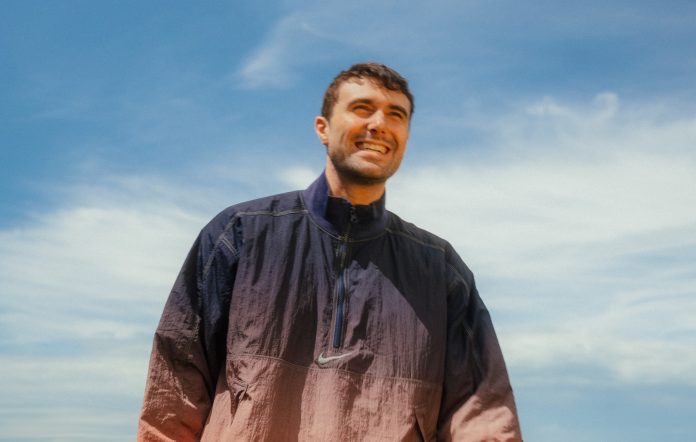
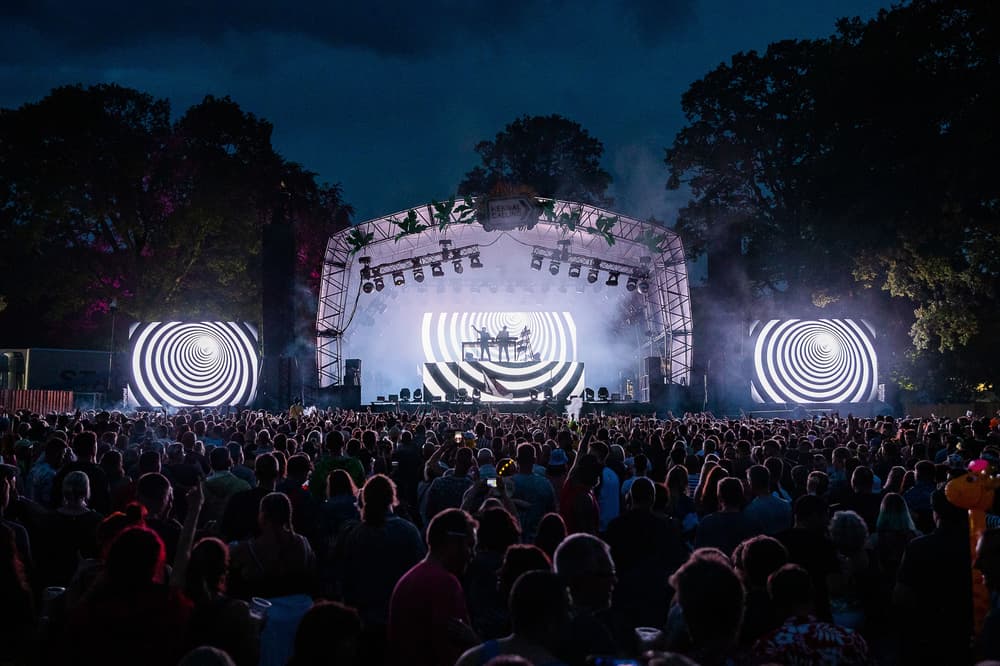
Four years on from the ‘Actual Life’ series lifting him into the mainstream spotlight, Fred Again.. continues to feel unavoidable. The London producer and DJ born Fred Gibson has moved at a relentless pace, bouncing between sold out stadium dates in New York and surprise appearances at Sheffield’s 1,000 capacity Forge, while also making history as the first electronic artist to top the bill at Reading and Leeds in 2024.
Where the ‘Actual Life’ releases and his fourth album, 2024’s ‘Ten Days’, leaned into warmth and joy pulled from ordinary moments, Gibson has also sharpened his instinct for high impact club weapons rooted in garage, dubstep and jungle. That side of his output lives on ‘USB’, an “infinite album” first imagined in 2022 as a home for tracks that exist outside any fixed universe, including defining moments like ‘Rumble’ and ‘Jungle’.
‘USB002’, the second vinyl only chapter of the ‘USB’ project, brings together 16 recent tracks, many of which surfaced gradually on streaming services over a ten week stretch. The music was shaped live, in step with ten unannounced DJ appearances across the world from Dublin to Mexico City. Even with a Glastonbury style registration system in place, The Times reported that 100,000 people tried to secure tickets for the opening night in Glasgow.
Appropriately, ‘USB002’ feels alive and constantly in motion, helped along by contributions from close collaborators such as Floating Points and Sammy Virji. The rigid, techno driven pressure of ‘Ambery’ echoes elements of Floating Points’ 2019 album ‘Crush’, while Gibson’s take on ‘The Floor’ builds like the slow climb of a rollercoaster before dropping back to earth without warning.
The guest list stretches beyond the usual dance circles, with two Australian guitar bands popping up in unexpected ways. ‘You’re A Star’ reworks Amyl and The Sniffers’ ‘Big Dreams’ into a breakbeat driven rush, while ‘Hardstyle 2’ pulls the experimental post punk edge of Shady Nasty into an Underworld adjacent space alongside Kettama. Gibson’s real trick is his ability to connect with anyone. These tracks are not reinterpretations but full takeovers.
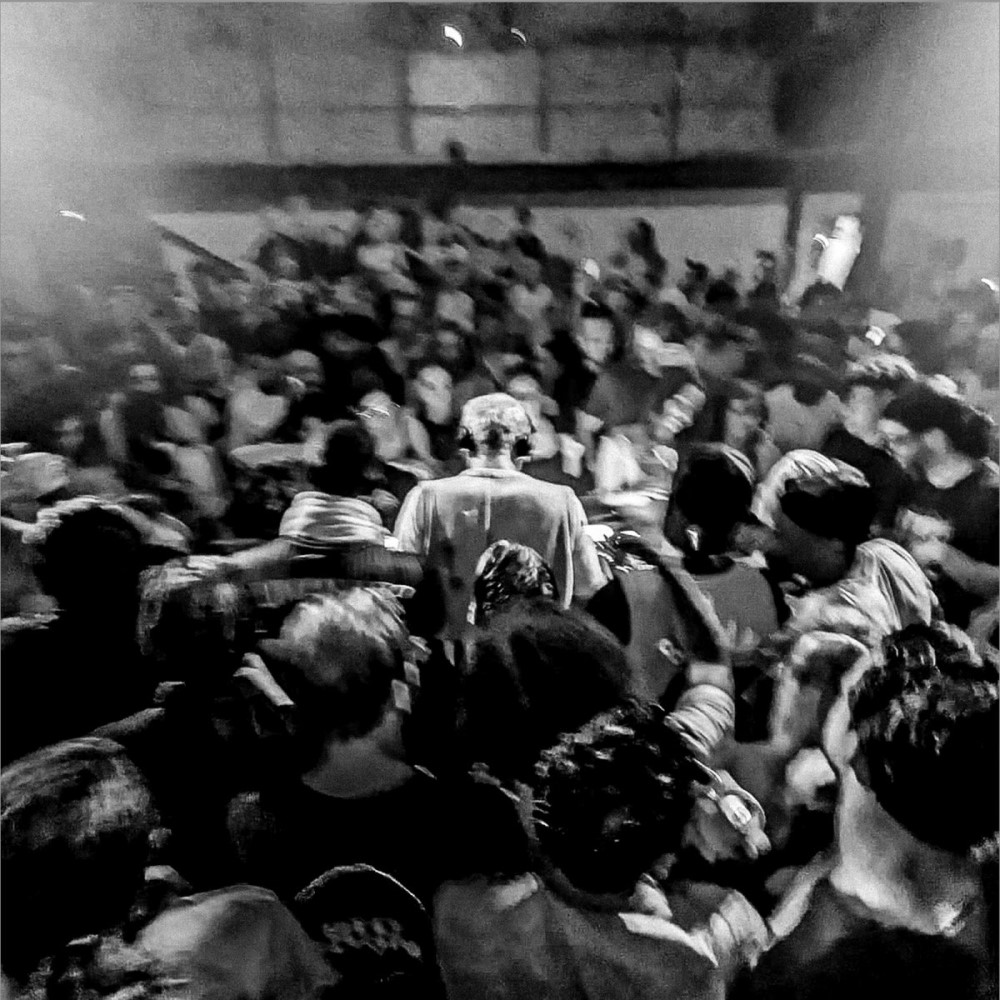
The visual world wrapped around the ‘USB002’ rollout reinforces the instinct behind the music. Phones were prohibited at shows staged in vast warehouse spaces under sweeping light rigs, while Gibson’s team shared striking black and white footage and created artwork for each single on site. Bottling that sense of urgency, the project is rooted in the thrill of the present moment, something Gibson seems able to summon simply by turning up.
If the ‘Actual Life’ series and ‘Ten Days’ captured passing snapshots of experience, ‘USB’ is defined by constant movement, a space where boundaries are removed entirely. Sitting somewhere between an album and a playlist, ‘USB002’ underlines why Fred Again.. feels so dominant right now, and suggests that his current run may only be the beginning of something much bigger.