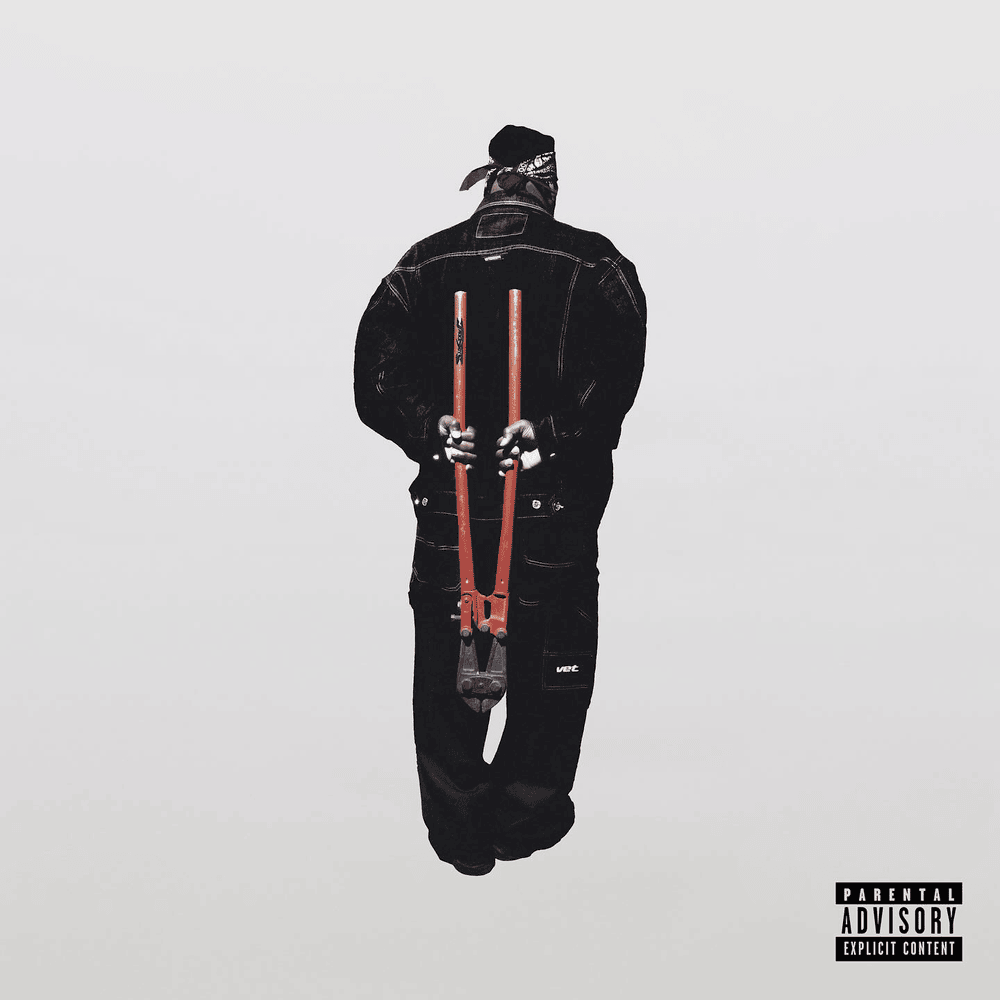


2hollis is a beloved fixture in a music scene with no name. What do you call a mash of Bladee, Chief Keef, Max Martin, Skrillex, and the Geometry Dash computer game soundtrack, anyway? The 20-year-old, Los Angeles-based singer, rapper, and producer, whose real name is Hollis Frazier Herndon, makes wildly processed industrial dance pop and rap: His pyrotechnic production is the stuff of a cooped-up prodigy whose mind can’t help but move a million miles an hour.
Early releases garnered a fervent internet following, his sub-Reddit and Discord channel filled with kids obsessing over his personal history, production techniques, and eerie aesthetic, which I can only describe as Roscoe Dash does medieval. His early content, though, has been scrubbed from the internet. Past projects and music videos now live via aliases and alt accounts; scrapped Instagram stories and deleted tweets are archived on fan forums. His official pages include only a sliver of his catalog, the few pictures he shares of himself a selection of highly filtered headshots. He’s hardly done any interviews, rarely posts on social media, and barely promotes his music. So why, on a niche corner of the internet, are kids calling him a messiah?
Hollis didn’t come out of nowhere. His mom, Kathryn Frazier, is the founder of the PR firm Biz 3, whose roster includes the Weeknd, J. Cole, and Daft Punk. She also co-owns a record label with Skrillex, while his dad, John Herndon, was the drummer for Tortoise and releases solo music as A Grape Dope. While Hollis has likely benefited from a life spent around musicians, his work feels most influenced by internet addiction and multimedia fluency. It might be tempting to peg him as just another kid with bleach-blond hair uploading iterative computer music to SoundCloud—an offshoot of whatever it was we decided hyperpop meant. But Hollis’ latest full-length album, boy, establishes him as a remarkably distinctive, eagerly experimental savant whose sound never stalls or stagnates.
Before his recent pivot to industrial dance and electropop, Hollis’ music mostly resembled that of Drain Gang stalwarts Yung Lean and Bladee, Swedish accent and all (although Hollis is from Chicago). Cloud rap suited him; his 2022 EP, As Within, So Without, made with producer kimj, features some of his best songs. Last year, when he dropped 2, an electroclash house record, the switch at first felt stark. The album is all shook-up soda and manic bravado: warp-speed synth leads and arpeggios, wet columns of bass and angsty singing, skittery four-on-the-floor drums and explosive FX. On closer inspection, Hollis’ idiosyncratic take on dance music isn’t all that different from his quirky interpolations of trap and drill. At a time when dance music is pop and pop is rap and rap is emo and everything is electronic, Hollis’ ability to swerve and synthesize his scatter-brained source material into a unique amalgam of genre-blurring music stands out. It’s an exciting development for an artist who may just be scratching the surface of his best work.
One of Hollis’ more obvious strengths as a vocalist is how powerfully he can distill visceral emotions through seemingly simple means. Opener “you once said my name for the first time” may be the most elegantly constructed song in his catalog, a whiny digital organ giving way to soaring choral harmonies before the song bursts into a droning, deranged drop that lasts nearly two minutes. “One day I’ll say your name for the last time,” he sings with conviction, extending the final note until his voice falters. Even when he returns to his trusted bag of blustery, bit-crushed rap, like on late album highlight “lie,” he communicates anguish and longing despite cycling through clichés (“cross my eyes, I hope to die/I’ll never lie”). Hollis can communicate lust, regret, rage, or despair with a snicker or sigh, a screech or vocal chop, a melody so disorientingly strange it elicits an emotional reaction, even if the writing’s puerile and unspecific.
This transference isn’t always rendered so smoothly. “promise” is a forgettable attempt at a bombastic piano ballad, and “sister,” though one of boy’s finer beats, is fraught with a peculiar analogy about loving your girlfriend like a sibling. Languishing too long in Hollis’ world can drain as much as it enlivens, simulating the sensation of replenishing your serotonin stores after doing too much molly. But Hollis isn’t in the business of pacing himself. He’s racing full speed ahead, threatening to blast open any preconceptions you may have had about what a kid making music on a laptop can accomplish.
ALBUM REVIEWS

Grandeur sits at the heart of ‘This Music May Contain Hope’, RAYE’s second album, and the result feels nothing short of breathtaking. On this record, the singer born Rachel Keen explores a wide spectrum of sounds across its 73 minute length, moving from emotional ballads to lively funk moments and the jazz pop style she has become closely associated with. It can feel overwhelming at first, yet the magic that comes from RAYE fully committing to her vision makes the experience rewarding from start to finish.
‘This Music May Contain Hope’, a conceptual project about pushing through insecurity and heartbreak, unfolds like a lavish stage production. RAYE takes on the dual role of main character and guiding voice throughout the story. “Allow me to set the scene. Our story begins at 2:27am on a rainy night in Paris. Cue the thunder,” she says during the opening track ‘Girl Under The Grey Cloud’, which arrives with sweeping orchestral strings. Spoken passages appear across the album, helping shape the narrative and giving the project a sense of direction, almost like hearing the official recording of a Broadway show.
With this framework in place, the South London artist allows herself to fully explore the album’s diverse musical palette, and most of the time it works in her favor. Sometimes she fully embraces the theatrical side of the concept, especially during the closing section of the smooth R&B track ‘The WhatsApp Shakespeare’. Other moments are delivered more straightforwardly, such as the emotional slow building ballad ‘I Know You’re Hurting’. She also revisits her earlier dance influences with the impressive house track ‘Life Boat’.
Across the entire album, two things stand out clearly. RAYE’s flexible vocals sound better than ever, and her songwriting feels sharper than it has before. Take the playful highlight ‘I Hate The Way I Look Today’, a swing jazz inspired track reminiscent of Ella Fitzgerald, where she admits “I’m okay to be lonely / If I’m lonely and skinny / I have such silly self-loathing thoughts, it seems”. Then there is the emotional storytelling in ‘Nightingale Lane’: “It was right there, early June / Next to Old Park Avenue / Standing in the rain, I watched him walk away”.
Despite all the vulnerability and emotional struggles explored throughout the record, RAYE ultimately reaches a place of optimism, staying true to the album’s title. She gathers her close friends on ‘Click Clack Symphony’ with support from Hans Zimmer, finds closure with guidance from Al Green on the smooth seventies soul inspired ‘Goodbye Henry’, and reaches toward something greater alongside her sisters Amma and Absolutely on the uplifting ‘Joy’ as she searches to be “free of all the pain and every fear”. After the stormy opening imagery of that “rainy night” and “thunder”, RAYE eventually realizes that “the sun exists behind the clouds”, as she shares on ‘Happier Times Ahead’.
‘This Music May Contain Hope’ shows RAYE performing at her absolute peak. The album feels huge in scale and emotionally powerful, yet it remains rooted in honest experiences and real feelings. Yes, it asks a lot from the listener, but that is also what makes it so special. Every dramatic moment and musical shift feels like RAYE claiming her independence and finally creating music entirely on her own terms.