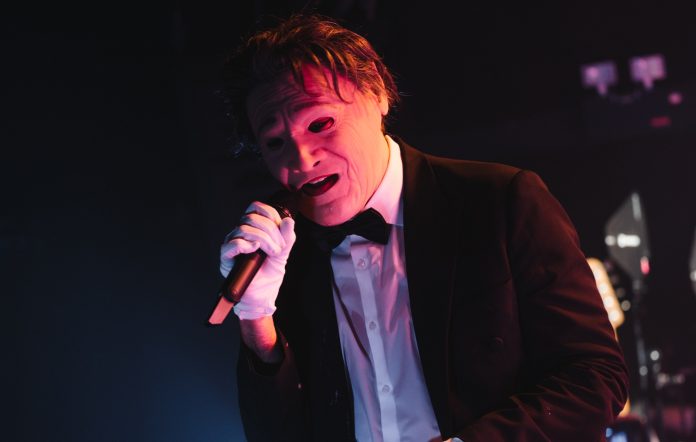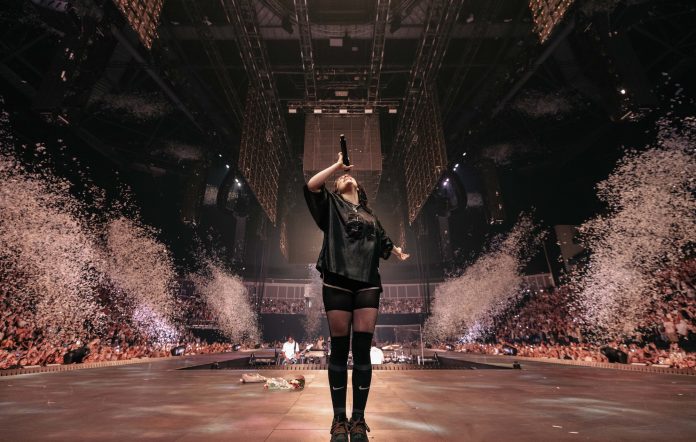


In December 2020, Anderson .Paak and Knxwledge performed at the Double Happiness festival. The show was a livestream and the artists were isolated with no audience except the camera crew. “I hate it, bro. I want the people, I want the sweat,” Paak joked. But NxWorries squeezed plenty of fun out of their barely 10-minute set. Its most striking moment made it directly onto their second album, Why Lawd? “Stop playin’ wit’ my boy Knxwledge,” Paak shouts through reverb’d vocals, hyping up early single “Where I Go,” a smooth jam that equally channels early 2000s Monica and Knx’s WrapTaypes series. When the clip appears in the album version, it sounds grandiose yet humble. Paak and Knx have toured the world, sold out arenas, and worked with plenty of larger-than-life collaborators. But that stripped-back rendition of “Where I Go” contains both the intimacy of a steamy rendezvous and the focused showmanship of a band ready to shut down a 10,000-cap room.
NxWorries’ 2016 debut, Yes Lawd!, was as carefree as a new-age mack daddy rap&B album could be. The billowing thump of Knxwledge’s exhaustive backlog of beat tapes blended well with Paak’s scratchy croon-raps, somewhere between Joe Tex and Black Dynamite with a taste for vegan sausage. Eight years on, with higher individual profiles, how would NxWorries recapture that patent-leather Air Force sheen? The sumptuous Why Lawd? not only succeeds, it expands their vision. The beats are more ambitious, the lyrics more thoughtful on subjects of affection, rejection, and coital bliss. They sound as enamored with having loved and lost as with the future joys and miseries just over the horizon.
Yes Lawd! came to party and dash, but Why Lawd? takes a slightly more grown approach. The first proper track “86Sentra” starts out business as usual, with Paak dangling used cars in front of love interests and rapping about playing the Super Bowl over an ominous organ loop. On “MoveOn,” he contemplates the pain he’s put himself through by living recklessly. Then, as if to put that insight to the test, “KeepHer” fleshes out the story of an ex-wife determined to leave his bullshit for a new paramour, no matter how much money he throws her way. “He don’t love you the way I—/You don’t look good in that Hyundai,” he says, before begging her for farewell sex in the next verse. It’s rewarding to see his slimeball charm turned against him: Paak is rarely, if ever, on the business end of a breakup song.
Why Lawd? savors these contrasts, adding new emotional layers to NxWorries’ jet-setting hijinks. Paak’s trademark smooth-talking Svengali routine is still in effect, but the breezy connects are few and far between; now, affairs are usually followed by the sting of denial or the nagging doubts of age. The dramatic synthwave gestures of “Daydreaming” lead into the 3 a.m. drunken car sobbing of “FromHere,” a rakish torch song worthy of the Stylistics. While this isn’t a concept album, the songs feel connected, as if each were an episode of your favorite romantic dramedy. “HereIAm” plays like a funeral dirge, mournful organs echoing Paak’s melancholic scroll through an ex’s Instagram before bleeding into “OutTheWay,” where rattling drums and pastel synths signal budding new love. These vignettes aren’t just teeming with personality missing from more precisely manufactured work like Oxnard or the soul cosplay of Paak and Bruno Mars’ An Evening With Silk Sonic; they sketch out a portrait of Paak as a father, son, divorcé, lover, and freak aspiring to keep his streak alive.
Knxwledge supplies Paak with some of the most breathtaking production of his career. The beats on Why Lawd? are ornately constructed, each a treasure hunt for the tell that it’s all made from tiny bits of other songs. Knx’s hazy lo-fi aesthetic has always operated at an epic scale, but his love for gospel, soul, and doo-wop has helped his beats grow into more elegant shapes. While many of these confections are refined takes on ideas from his 2020 solo album 1988 or the later volumes in his woefully discontinued Meek Mill remix series, the genre excursions offer the album’s biggest surprises. “Daydreaming,” with its synthwave saturation and closing guitar solo, wouldn’t feel out of place on Miami Vice. “FromHere” and “DistantSpace” don’t sound like homages to the Temptations and Motown; they sound plucked from the shelves of Berry Gordy’s office and looped and drum-tracked to perfection. Knx and Paak wear their reverence to the classics on their sleeves, but Why Lawd? never strays far from its dirty swinging rap&B center.
The two of them could’ve used nostalgia to coast on the legacy of their nearly decade-old debut to turn in a serviceable redux. Instead, Why Lawd? leans into a rawness and fear Yes Lawd! only hinted at. No one is immune to getting curved. Loneliness can supersede all the money and hook-ups in the world. Putting that reality front and center is a bold shift from the first album’s devil-may-care attitude, and makes for caramel-rich music that nods to the duo’s idols while forging its own groove. “Who would ever think that we’d find a hole in the system?” Paak asks over a rattling drum break and guitar riff on “Battlefield,” a song that begins with assured autobiography and ends with a joke involving a fling that lasts barely as long as a Dodgers game. Leave it to NxWorries to find the beauty in the bruises.
MUSIC PREMIERES
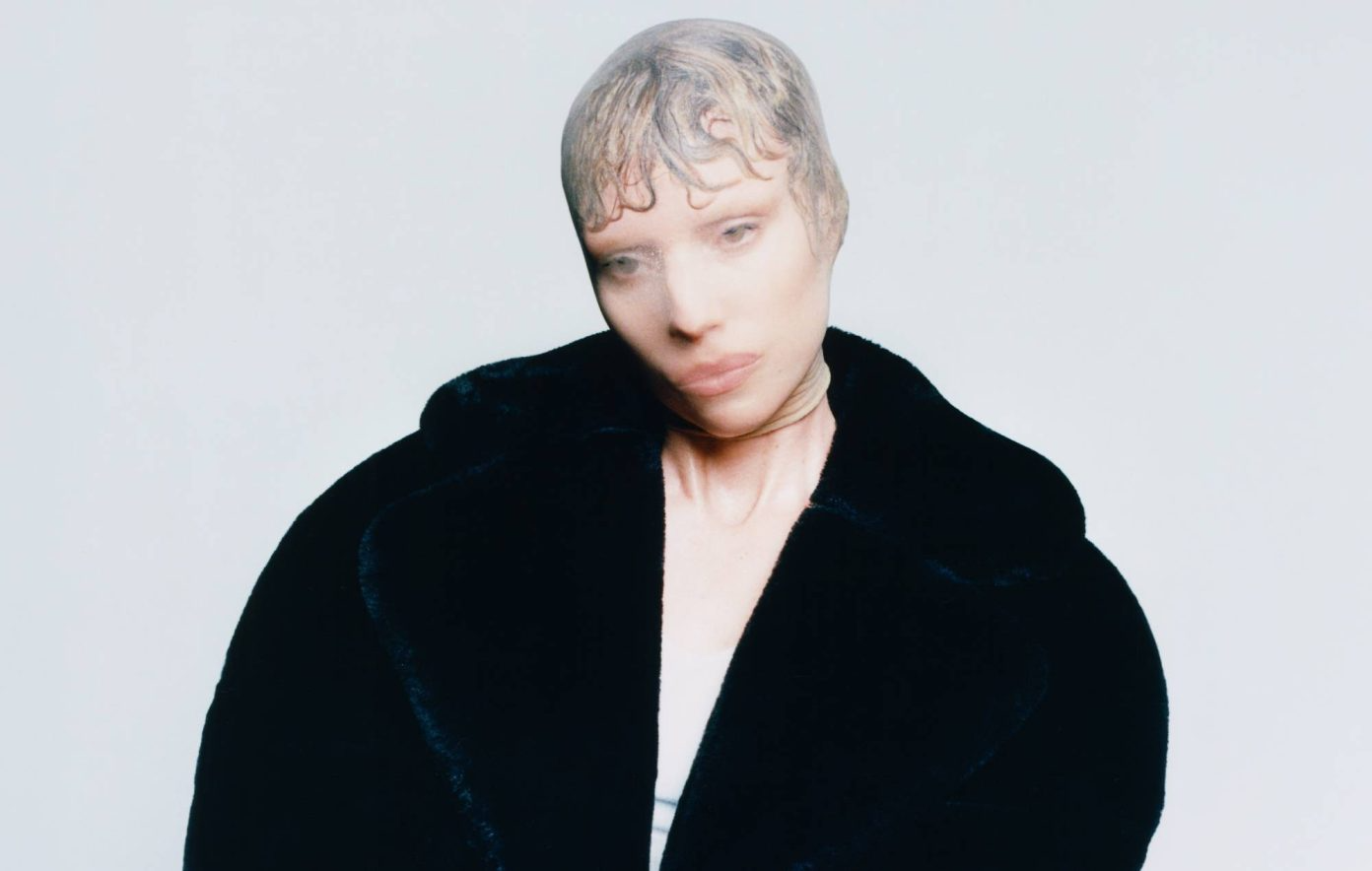
Lykke Li didn’t hold back when speaking about the making of her sixth studio album, ‘The Afterparty’, during a listening session in Los Angeles earlier this year. “Let’s talk about the album. It was a motherfucker to make,” she admitted to the crowd. While balancing motherhood, the chaos of modern culture shaped by Trump and AI, and her own desire to create something more “extroverted, impulsive and chaotic” than ‘EYEYE’, as she previously shared with NME, the Swedish alt pop star arrived at a headspace that “feels like it’s 4am and the sun is going to rise”. The record captures that blurry final moment before regret, exhaustion and reality settle in, which makes it even more emotional considering she has hinted this could potentially be her final album.
There is something fitting about how brief the project feels. With only nine tracks running across 24 minutes, it never overstays its welcome. Lykke immediately drops listeners into the atmosphere with opener ‘Not Gon Cry’, painting a picture of those lonely early morning hours with the line, “No angels here tonight, no dancing queens.” Alongside the shadowy pulse of ‘Happy Now’ and the twisted disco energy of ‘Lucky Now’, she revisits the emotional yet dance driven spirit of her earlier material while blending in the sharper, more confident attitude heard on ‘So Sad, So Sexy’ and the shimmering influence of her 2019 Mark Ronson collaboration ‘Late Night Feelings’.
The emotional fallout begins to settle in quickly. ‘Famous Last Words’ carries a lush orchestral sadness as Lykke reflects on lessons that only came after years of chaos and late nights, confessing, “I had to crash and burn to tell the tale.” Then comes ‘Future Fear’, a delicate acoustic track with robotic textures that stares directly into anxiety and uncertainty with the chilling question, “I’m going to a dark place, do you need anything?” Meanwhile, ‘So Happy I Could Die’ glows like sunrise after a sleepless night, holding onto fleeting moments as she sings about “slipping through the hourglass”.
Throughout the album, Lykke Li vividly captures the beauty and wreckage of reckless nights with the vulnerability that has always defined her music. On ‘Sick Of Love’, she channels heartbreak into revenge, wanting to “make you beg for it” after rejection in a way that feels spiritually connected to Robyn’s ‘Dancing On My Own’. One of the strongest moments arrives with ‘Knife In The Heart’, a track that fully embraces her desire to become the “rock god” and “fuck boy” she spoke about, firing back at anyone who tries to tear her down with the words “you can spit, you can walk on me” while delivering one of the catchiest songs she has created in years.
Closing track ‘Euphoria’ leaves behind the same bittersweet feeling that runs through the rest of the album. With sweeping strings, pulsing beats and emotional intensity, Lykke Li reminds listeners that nothing lasts forever as she sings, “Player play your song, waste the night away”. Like the fading energy of the perfect night out, ‘The Afterparty’ ends in a haze of beauty and uncertainty. If this truly is her farewell, she leaves with one final intoxicating statement, though it still feels like there could be another chapter waiting.