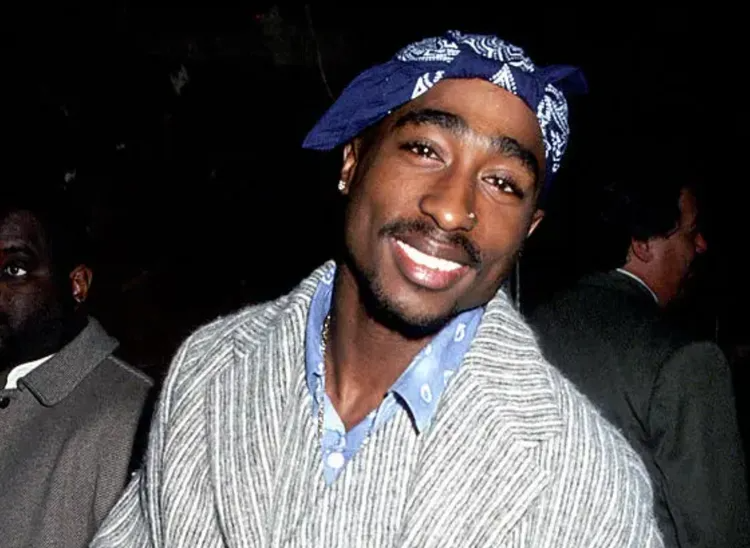
On the fateful evening of September 13, 1996, the world lost an artist and a poet of the streets. The ringing of Tupac Amaru Shakur's untimely demise reverberated across continents, touching hearts and minds that had been invigorated by his activism and musical talents.
While Las Vegas streets bore witness to the tragic drive-by shooting that claimed his life at just 25, they also became the epicenter of countless conspiracy theories. Some whispered about rivalries as others hinted at a larger setup. However, among the speculations, one fact remained unwavering—Tupac's influence was far more significant than the life he lived. To truly understand the man behind the legend, we must venture beyond that tragic evening, back into the roots. We're revisiting his celebrated life and career 27 years after his passing.
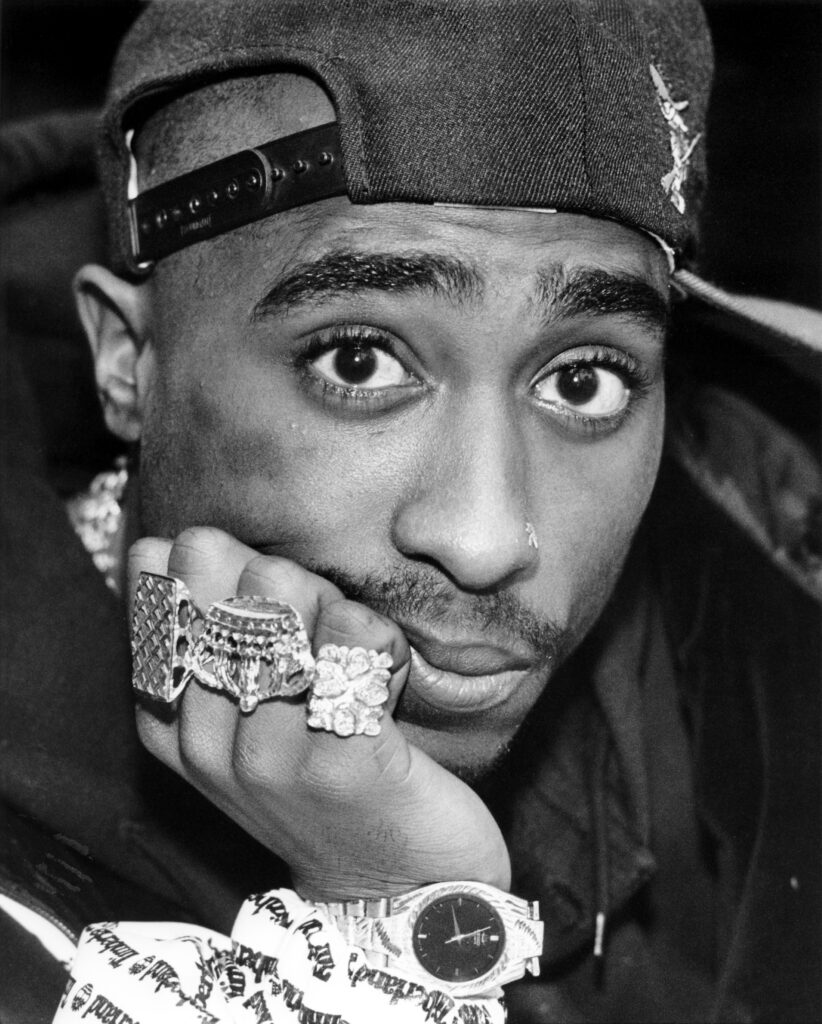
Beneath Tupac's multifaceted public image was a history rich with activism and a legacy of challenging the established order. Born in East Harlem in 1971, Tupac's formative years were intertwined with the ideals of the Black Panther movement. His mother, Afeni Shakur, was more than a guiding light in his life. She was a formidable member of the Panthers and a fervent activist. Her 1969 arrest and her subsequent acquittal in 1971 highlighted a period marked by racial tensions and intense political engagement. These surroundings heavily influenced Tupac's growing hunger for change.
Moving from Baltimore to the West Coast, Tupac experienced firsthand the stark contrasts of racial disparities. This backdrop nurtured his artistry, enabling him to give voice to the unheard stories of those around him in his lyrics. To the broader audience, Tupac was purely a significant figure in Hip Hop. However, he had an undeniable depth, sharpened by diverse readings from Shakespeare to contemporary Black American authors. Yet, the enduring spirit of his mother, tales of Black resistance, and the profound influence of the Panthers truly shaped Tupac's ethos. This foundation not only permeated his music but also fueled the energy behind his activism.
Rising from the underbelly of Hip Hop's Golden Era, Tupac's music was an authentic reflection of his experiences. His rhymes were molded by the cultural and socio-political milieu of his times. Tracks like "Brenda's Got A Baby" and "Keep Ya Head Up" were not mere songs—they were poignant tales of the struggles Black Americans faced daily. It revealed an artist deeply empathetic to the societal ills surrounding him. Shakur used his platform to shed light on the often-ignored stories of Black American women grappling with hardships.
Tracks like "Changes" underscored Tupac's sharp socio-political consciousness. Tackling issues from racism to police brutality, it was a clarion call for change and introspection. His lyrical brilliance was apparent, and his relevance undying. Even today, amid waves of civil rights movements, the song’s message stands as pertinent as ever.
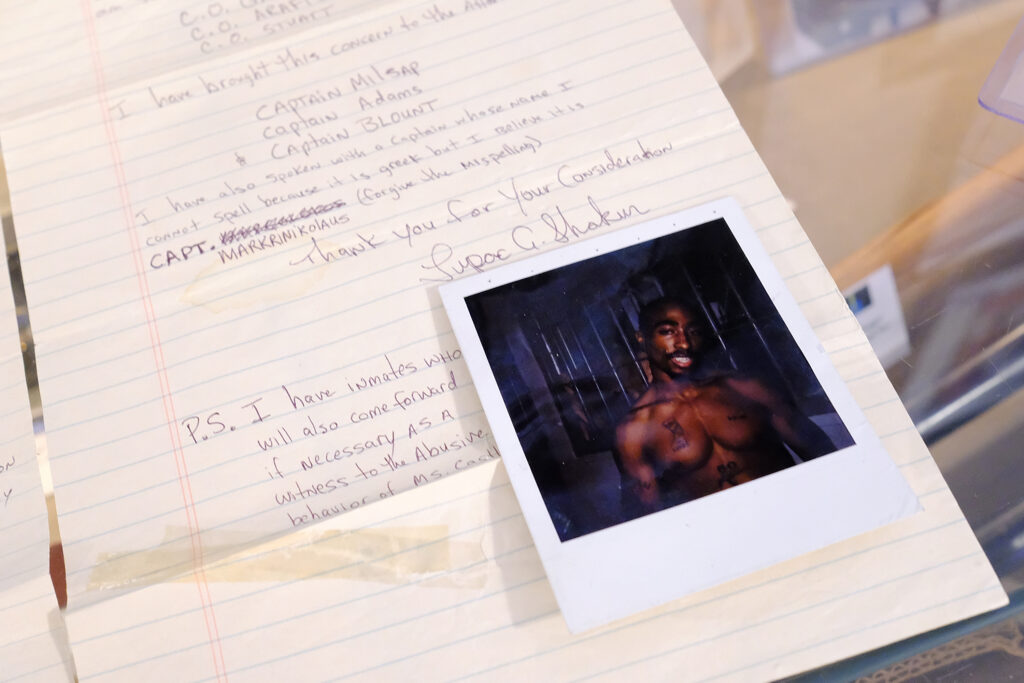
With such a background, it was no surprise that Shakur's artistry was interwoven with pointed social and political commentary. Yet, his activism wasn’t restricted to his music. Tupac was known for his candid, often fiery interviews where he didn't shy away from addressing injustices, institutional racism, and the importance of empowering Black American youth.
One might argue that this alignment of art and activism was a tightrope walk, especially in the mainstream music industry. The magnetism of commercial allure is seductive. Album sales, roaring fans, global tours, and the shimmer of accolades paint an irresistible portrait. For Tupac, these trappings were merely vehicles that transported his deeper message to a global stage. He consistently dodged the trend of diluting content for broader appeal. Instead, he chose to layer his artistry with intricate narratives, pushing forth a duality of street sagas alongside passionate calls for change.
This was the fine line Tupac Shakur perpetually walked upon, each step weighed against the gold standard of chart-topping success and the moral imperative to speak truth to power. However, Tupac managed this balance with finesse. He emphasized that his gangsta rap persona and his activist inclinations were not contradictory. Instead, they were reflective of the dual realities that many Black Americans, especially successful professionals, continue to balance.
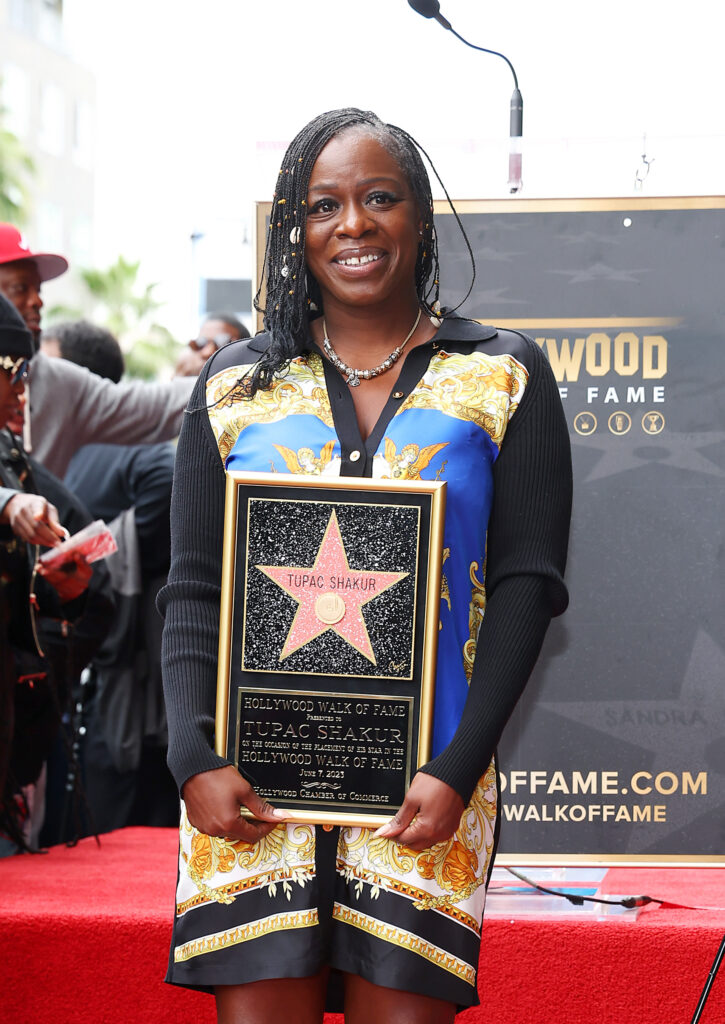
The sparkle of Tupac Shakur isn't confined merely to the beats that punctuated his music or the lyrics that have been staples in Hip Hop culture. It lies in the undying reverberations that continue to reach the corners of both the music industry and larger expanse of activism. Moreover, Tupac's influence is palpable. Turn on the radio, and you'll find young artists echoing his passion. Their reverence for Tupac is unmistakable, recognizing in him a pioneer who carved a space for authenticity in arenas that often seemed consumed by superficiality.
Additionally, more than an artist, Tupac was a beacon for change. It wasn't merely about identifying problems—it was about galvanizing change and urging collective action. Today, as we remember Tupac on the anniversary of his death, it's evident that his physical departure from this world has done little to dim his legacy. Young activists, armed with microphones or placards, champion the causes the Rap icon shed light on.
In a life punctuated by both fame and tragedy, Tupac managed to transcend the traditional confines of celebrity. He became more than just a rapper or an actor. He emerged as a symbol, representing hope. As we reflect on his life, we're reminded that Tupac’s legacy remains immortal.
NEWS
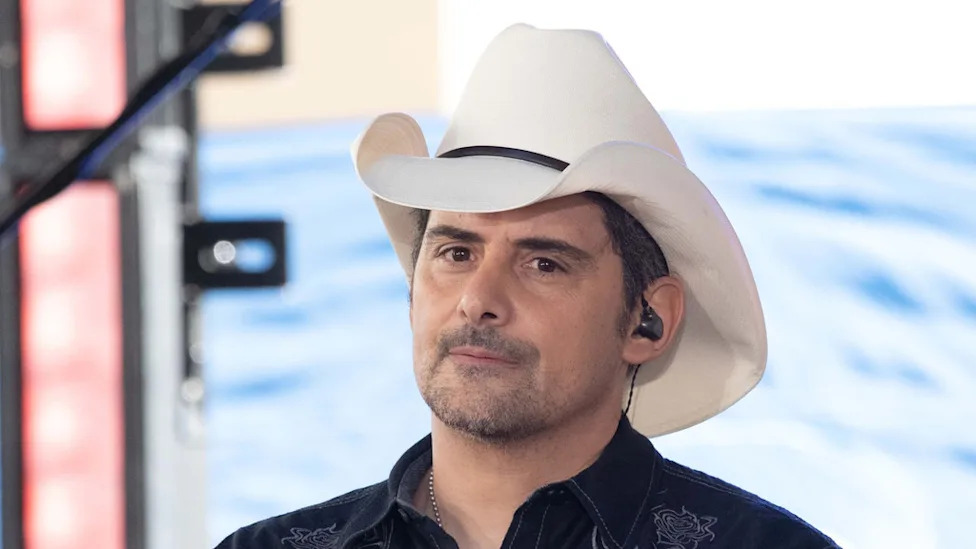
Brad Paisley has called Taylor Swift and Travis Kelce’s wedding “one of the least pretentious weddings he’s ever seen”.
The country star attended the ceremony alongside his actress wife, Kimberly Williams-Paisley. They joined around 1,000 guests at New York City’s Madison Square Garden earlier this month as the global pop icon married the American football star.
Although the celebration attracted enormous attention and involved tight security and a stunning makeover of the famous arena, Paisley said the occasion never came across as excessive.
“Ironically, (it) was one of the least pretentious weddings that I've ever seen or ever will see,” Paisley told The Associated Press during an interview. “It meant a lot to be (invited). It was, kind of, a big thank you from her to invite us.”
Paisley, who chose Swift as an opening performer for his tour when she was a teenager in 2007, said he was delighted to be included in what many considered the biggest celebrity wedding of the year.
“They were very clear with the invite, and I took this personally when I got the invite, because in the invite, it said, ‘If you're getting this, you mean a lot to us,’” he revealed.
The musician also explained that guests were not told the wedding’s exact location until the date drew nearer.
“It was really fun to watch the cat and mouse game of, like, ‘We can tell you roughly where it's going to be, we're not gonna say what building... and here's the date. If you're in, we'll tell you more,’” he continued. “I went to my wife, I said, ‘Want to go?’ and she said, ‘Absolutely, we gotta be there!’ So, we did it, it was RSVP yes.”
Other famous attendees included Brad Pitt, Gigi Hadid, Bradley Cooper, Ed Sheeran, Sabrina Carpenter, Hugh Grant, Haim and Tom Hanks.