
Beck and Pharrell Williams discuss the future of music, the Capitol riots, social change and streaming in this exclusive excerpt from the pair’s wide-ranging interview from the upcoming episode of Williams’ OTHERtone podcast, premiering Monday, March 15th.
At the onset of the clip, Beck discusses how different the entry point into the music industry has become since his career began over 30 years ago.
“Virtually every child has a laptop where they have the possibility to make beats or tracks or record some bedroom masterpiece and put it out there. Soundcloud, Spotify,” Beck said.
“You have like really young people coming into music in a way that we really haven’t had before. Because you used to have to have that like 10 years of building your reputation in a scene and getting access to equipment. And then by that time, you’re in your mid-twenties before anybody’s ever heard of you. And now, you know, kids are coming out as teenagers, essentially like making albums on their laptop.”
However, technology has its drawbacks: Kids and adults today are now “hard-wired” to their devices and social media, with Williams noting how that’s how people have become “radicalized,” leading to the January 6th insurrection attempt.
“Not to get all political but, I’m sorry, all those people acting bananas, that’s called radicalization. They were radicalized and they don’t even know it,” Williams said.
“Imagine going into your T-Mobile store or Verizon store, ‘Yeah, lemme get that phone, lemme get that service package right here,’ not knowing that package you got just landed your ass in jail because you were one of them people at the Capitol that one day… I’m not saying that it’s their fault, it’s just that you have no idea what you’re signing up for.”
During the chat, Beck and Williams discussed how they’ve been working on-and-off together for the past 10 years; seven of those recordings were released on Beck’s 2019 LP Hyperspace. With the producer potentially again assisting the singer, Williams asked Beck if his next album would be pandemic-inspired.
“To me, there’s so much happening in our time that to articulate that in music is daunting, it’s like a bottleneck, it’s like having 500 gallons in a one-liter bottle trying to get out,” Beck said, adding, “The whole last year, I wanted music that made me want to move.”
“My suspicion is that it needs to work for an arena and a bedroom,” Williams said of Beck’s next LP.
Williams’ full OTHERtone episode with Beck is out Monday, March 15th.
MUSIC PREMIERES
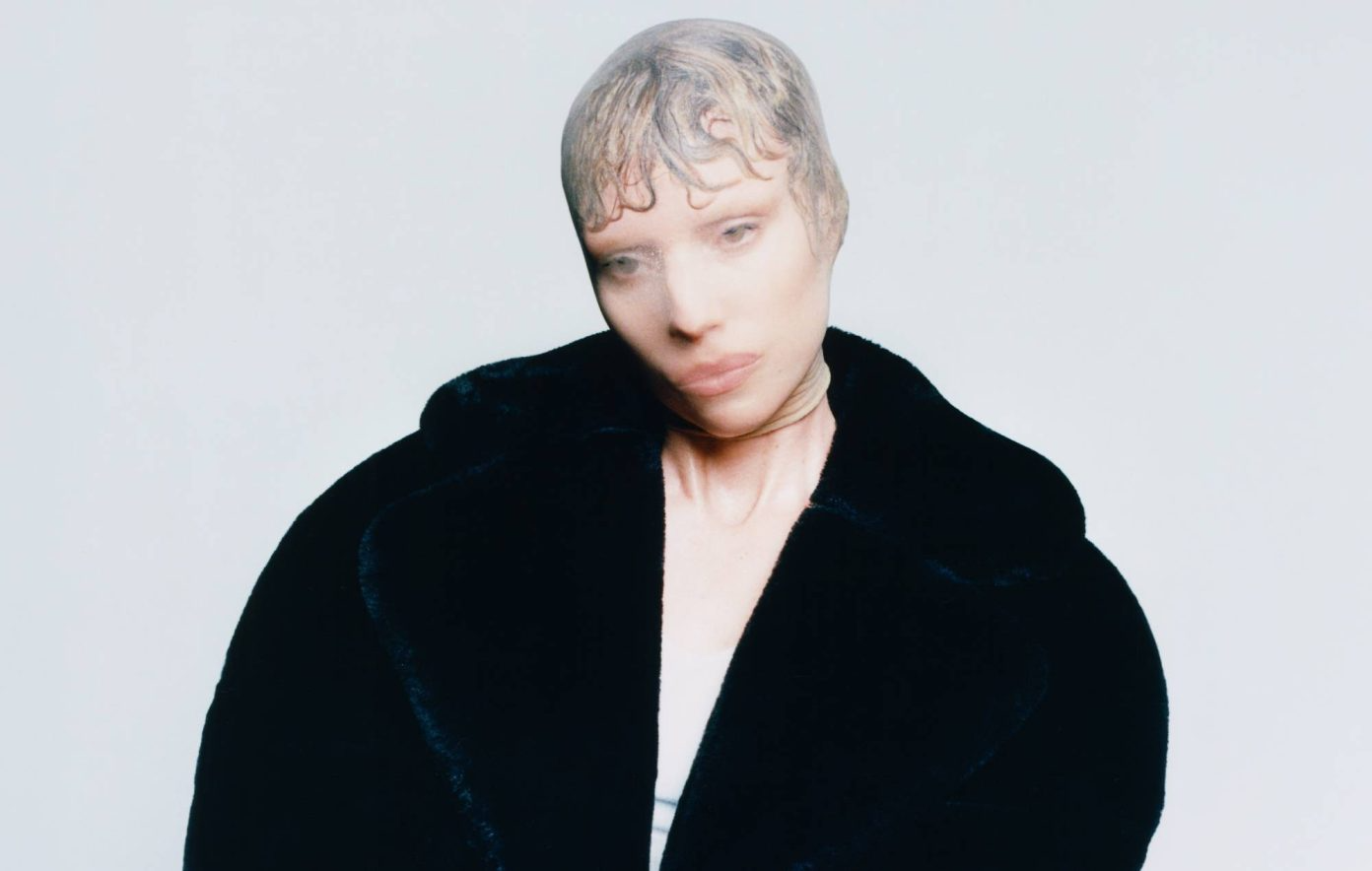
Lykke Li didn’t hold back when speaking about the making of her sixth studio album, ‘The Afterparty’, during a listening session in Los Angeles earlier this year. “Let’s talk about the album. It was a motherfucker to make,” she admitted to the crowd. While balancing motherhood, the chaos of modern culture shaped by Trump and AI, and her own desire to create something more “extroverted, impulsive and chaotic” than ‘EYEYE’, as she previously shared with NME, the Swedish alt pop star arrived at a headspace that “feels like it’s 4am and the sun is going to rise”. The record captures that blurry final moment before regret, exhaustion and reality settle in, which makes it even more emotional considering she has hinted this could potentially be her final album.
There is something fitting about how brief the project feels. With only nine tracks running across 24 minutes, it never overstays its welcome. Lykke immediately drops listeners into the atmosphere with opener ‘Not Gon Cry’, painting a picture of those lonely early morning hours with the line, “No angels here tonight, no dancing queens.” Alongside the shadowy pulse of ‘Happy Now’ and the twisted disco energy of ‘Lucky Now’, she revisits the emotional yet dance driven spirit of her earlier material while blending in the sharper, more confident attitude heard on ‘So Sad, So Sexy’ and the shimmering influence of her 2019 Mark Ronson collaboration ‘Late Night Feelings’.
The emotional fallout begins to settle in quickly. ‘Famous Last Words’ carries a lush orchestral sadness as Lykke reflects on lessons that only came after years of chaos and late nights, confessing, “I had to crash and burn to tell the tale.” Then comes ‘Future Fear’, a delicate acoustic track with robotic textures that stares directly into anxiety and uncertainty with the chilling question, “I’m going to a dark place, do you need anything?” Meanwhile, ‘So Happy I Could Die’ glows like sunrise after a sleepless night, holding onto fleeting moments as she sings about “slipping through the hourglass”.
Throughout the album, Lykke Li vividly captures the beauty and wreckage of reckless nights with the vulnerability that has always defined her music. On ‘Sick Of Love’, she channels heartbreak into revenge, wanting to “make you beg for it” after rejection in a way that feels spiritually connected to Robyn’s ‘Dancing On My Own’. One of the strongest moments arrives with ‘Knife In The Heart’, a track that fully embraces her desire to become the “rock god” and “fuck boy” she spoke about, firing back at anyone who tries to tear her down with the words “you can spit, you can walk on me” while delivering one of the catchiest songs she has created in years.
Closing track ‘Euphoria’ leaves behind the same bittersweet feeling that runs through the rest of the album. With sweeping strings, pulsing beats and emotional intensity, Lykke Li reminds listeners that nothing lasts forever as she sings, “Player play your song, waste the night away”. Like the fading energy of the perfect night out, ‘The Afterparty’ ends in a haze of beauty and uncertainty. If this truly is her farewell, she leaves with one final intoxicating statement, though it still feels like there could be another chapter waiting.