
ALBUM REVIEWS
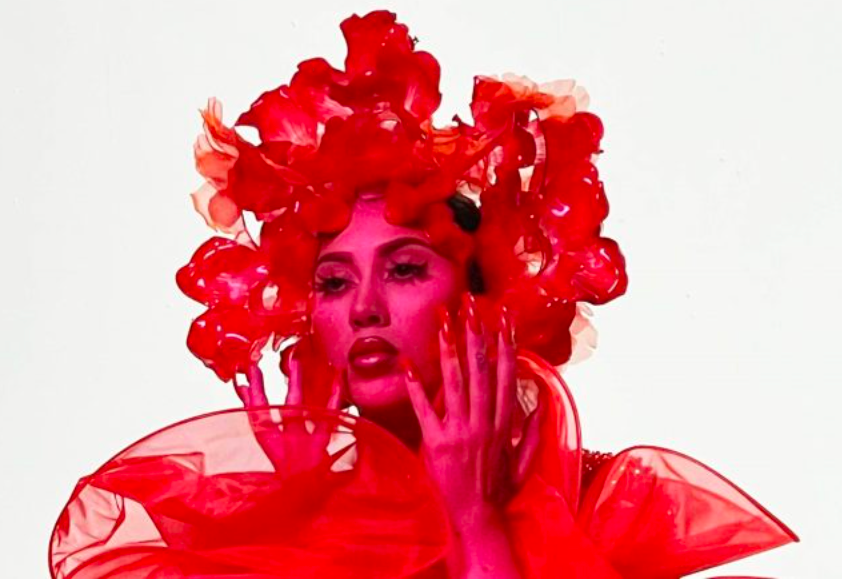
Kali Uchis’ third album has a seriously lush start: birds chirping, wind chimes and the Colombian-American singer whispering “I love you” are the initial sounds that pull you into ‘Red Moon In Venus’. The instrumental works as a perfect, serene introduction to a collection of songs which Uchis has called a “timeless burning expression of desire, heartbreak, faith, and honesty”.
The following track ‘I Wish You Roses’ similarly nails the brief, with lush orchestration and soulful antidotes of letting go of love without bitterness: “With pretty flowers can come the bee sting”, Uchis purrs over steady R&B arrangements, “but I wish you love, I wish you well”. Her voice offers unconditional grace throughout the track, that is, until, she hits reaches her boundaries: “You’re gonna want me back/You know I can’t do that” at the close. This is an artist in full control or her craft and message.
‘Red Moon In Venus’ arrives two years after Uchis defiantly dropped her first full Spanish-language album, ‘Sin Miedo (del Amor y Otros Demonios) ∞’, following 2018’s breakthrough, guest-heavy debut ‘Isolation’. Upon the former’s release, she acknowledged the barrier for those “who do not wish to make the attempt to listen to music in languages they can’t understand”, but was steadfast in her decision. Uchis has since bagged numerous wins at the Billboard Latin Music Awards, and album highlight ‘Telepatía’ has had considerable chart success.
With her most recent offering, however, Uchis takes on a different kind of defiance; here she wants to embody the “divine femme”. Instead of only leaning into the creative and nurturing habits the archetype is known for, she blissfully navigates the darkest manifestations of love, weaving in tales of both delight and calamity.
On the sultry ‘Worth The Wait’, Uchis duets with Gen Z heartthrob Omar Apollo, as both singers lean into retro registers in their deliveries. Their voices spiral over the track’s steady tempo, oscillating between spoken questions and honest confessions, at one point sweetly acknowledging in unison that “most people don’t know how to love that’s why they’re empty.”
On ‘Moonlight’, Uchis keeps the sentiment concise, hitting the highest peaks of her vocal range as she dips between English and Spanish. ‘Moral Conscience’, meanwhile, opens with Uchis declaring “one thing about karma, that bitch will find you” as she weaves a beautifully haunting threat of universal retaliation for childhood wounds. On ‘Deserve Me’, Uchis is joined by Summer Walker and sighs that “I don’t deserve the shit you put me through / Like you don’t know that you’re lucky”. By the track’s conclusion, she’s repeating “you don’t deserve me” like a mantra. Kali doesn’t forget, or forgive, easily, it seems.
In a note accompanying the album, Uchis warns that “many astrologers believe the blood moon can send your emotions into a spin”, but despite its subject matter, the record’s production and graceful composition prove more calming than dizzying. Most of the tracks brood in alluring R&B, but closing track ‘Happy Now’ ends the record on an upbeat note. The disco jaunt sees Uchis venturing into a sweet pop moment, as she earnestly asks, “can we be happy now?” It’s an optimistic, open-ended inquiry for a story deserving of a hopeful resolution.
ALBUM REVIEWS

Grandeur sits at the heart of ‘This Music May Contain Hope’, RAYE’s second album, and the result feels nothing short of breathtaking. On this record, the singer born Rachel Keen explores a wide spectrum of sounds across its 73 minute length, moving from emotional ballads to lively funk moments and the jazz pop style she has become closely associated with. It can feel overwhelming at first, yet the magic that comes from RAYE fully committing to her vision makes the experience rewarding from start to finish.
‘This Music May Contain Hope’, a conceptual project about pushing through insecurity and heartbreak, unfolds like a lavish stage production. RAYE takes on the dual role of main character and guiding voice throughout the story. “Allow me to set the scene. Our story begins at 2:27am on a rainy night in Paris. Cue the thunder,” she says during the opening track ‘Girl Under The Grey Cloud’, which arrives with sweeping orchestral strings. Spoken passages appear across the album, helping shape the narrative and giving the project a sense of direction, almost like hearing the official recording of a Broadway show.
With this framework in place, the South London artist allows herself to fully explore the album’s diverse musical palette, and most of the time it works in her favor. Sometimes she fully embraces the theatrical side of the concept, especially during the closing section of the smooth R&B track ‘The WhatsApp Shakespeare’. Other moments are delivered more straightforwardly, such as the emotional slow building ballad ‘I Know You’re Hurting’. She also revisits her earlier dance influences with the impressive house track ‘Life Boat’.
Across the entire album, two things stand out clearly. RAYE’s flexible vocals sound better than ever, and her songwriting feels sharper than it has before. Take the playful highlight ‘I Hate The Way I Look Today’, a swing jazz inspired track reminiscent of Ella Fitzgerald, where she admits “I’m okay to be lonely / If I’m lonely and skinny / I have such silly self-loathing thoughts, it seems”. Then there is the emotional storytelling in ‘Nightingale Lane’: “It was right there, early June / Next to Old Park Avenue / Standing in the rain, I watched him walk away”.
Despite all the vulnerability and emotional struggles explored throughout the record, RAYE ultimately reaches a place of optimism, staying true to the album’s title. She gathers her close friends on ‘Click Clack Symphony’ with support from Hans Zimmer, finds closure with guidance from Al Green on the smooth seventies soul inspired ‘Goodbye Henry’, and reaches toward something greater alongside her sisters Amma and Absolutely on the uplifting ‘Joy’ as she searches to be “free of all the pain and every fear”. After the stormy opening imagery of that “rainy night” and “thunder”, RAYE eventually realizes that “the sun exists behind the clouds”, as she shares on ‘Happier Times Ahead’.
‘This Music May Contain Hope’ shows RAYE performing at her absolute peak. The album feels huge in scale and emotionally powerful, yet it remains rooted in honest experiences and real feelings. Yes, it asks a lot from the listener, but that is also what makes it so special. Every dramatic moment and musical shift feels like RAYE claiming her independence and finally creating music entirely on her own terms.