
Marilyn Manson
WireImageMarilyn Manson — who, as a co-writer and performer on Kanye West’s Donda, was controversially nominated for a pair of high-profile Grammys despite an ongoing sexual assault investigation — lost one of his nominations Thursday as the Recording Academy revised its list of nominees.
Credited as “Brian Hugh Warner” on West’s “Jail Pt. 2,” Manson previously received songwriting credits — and thus, Grammy nominations — in both the Album of the Year and Best Rap Song categories; however, the New York Times reports that the Recording Academy has since updated the Best Rap Song nomination to recognize the West/Jay-Z collaboration “Jail,” which did not feature Manson as a songwriter, removing his nomination from that category.
However, Manson is still credited as a songwriter and featured artist on Donda, up for Album of the Year, making the shock rocker eligible for that award should West’s latest album win that category.
In the past year, more than a dozen women have come forward accusing Manon of psychological or sexual abuse, some of which have resulted in lawsuits. Manson denies the allegations.
Following the outcry from both Manson and Louis C.K. (up for Best Comedy Album) being nominated for Grammys despite the allegations of sexual misconduct against them, Recording Academy CEO Harvey Mason Jr. addressed the controversy.
“We won’t look back at people’s history, we won’t look at their criminal record, we won’t look at anything other than the legality within our rules of, is this recording for this work eligible based on date and other criteria. If it is, they can submit for consideration,” Mason Jr. said. “What we will control is our stages, our shows, our events, our red carpets. We’ll take a look at anyone who is asking to be a part of that, asking to be in attendance, and we’ll make our decisions at that point. But we’re not going to be in the business of restricting people from submitting their work for our voters to decide on.”
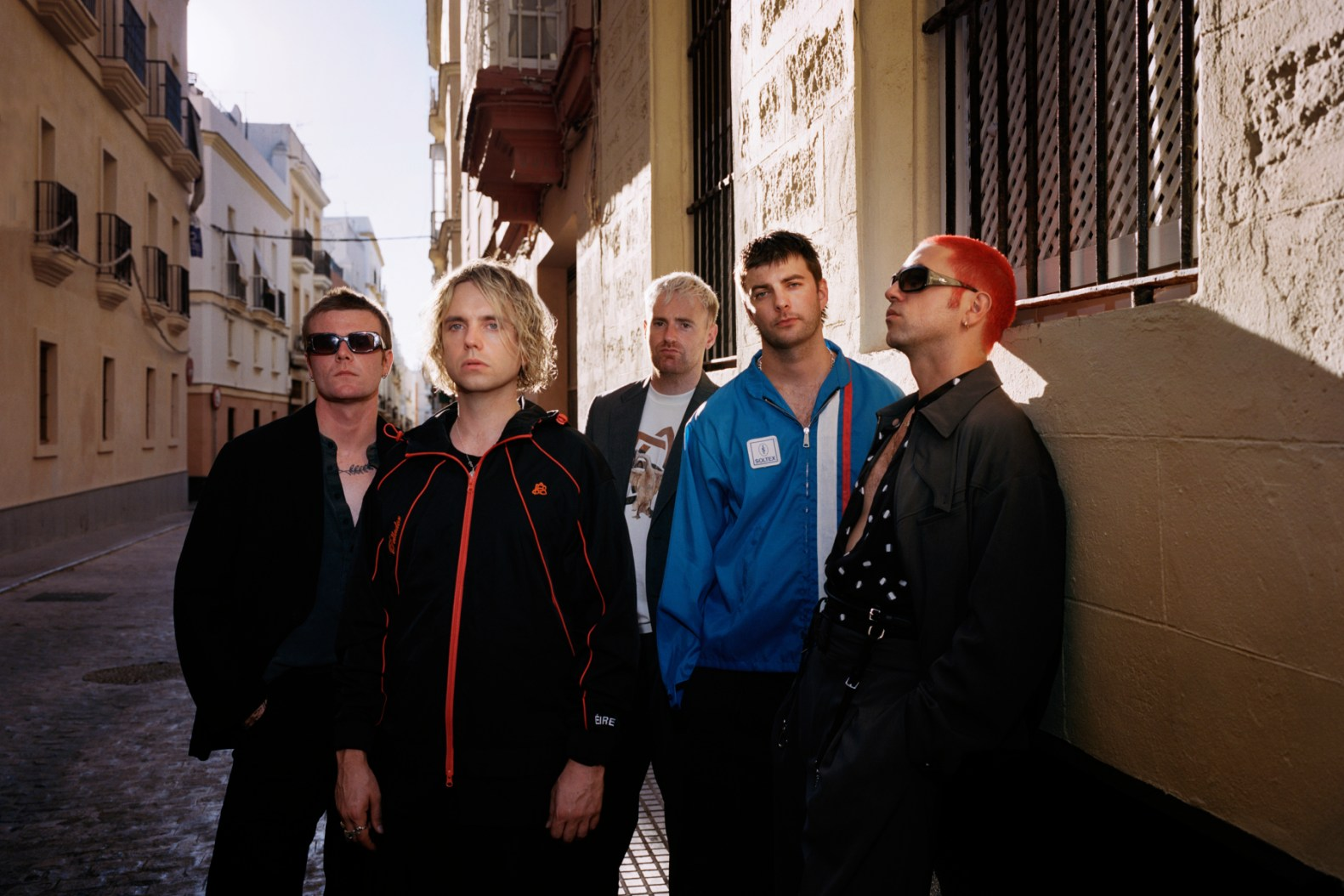
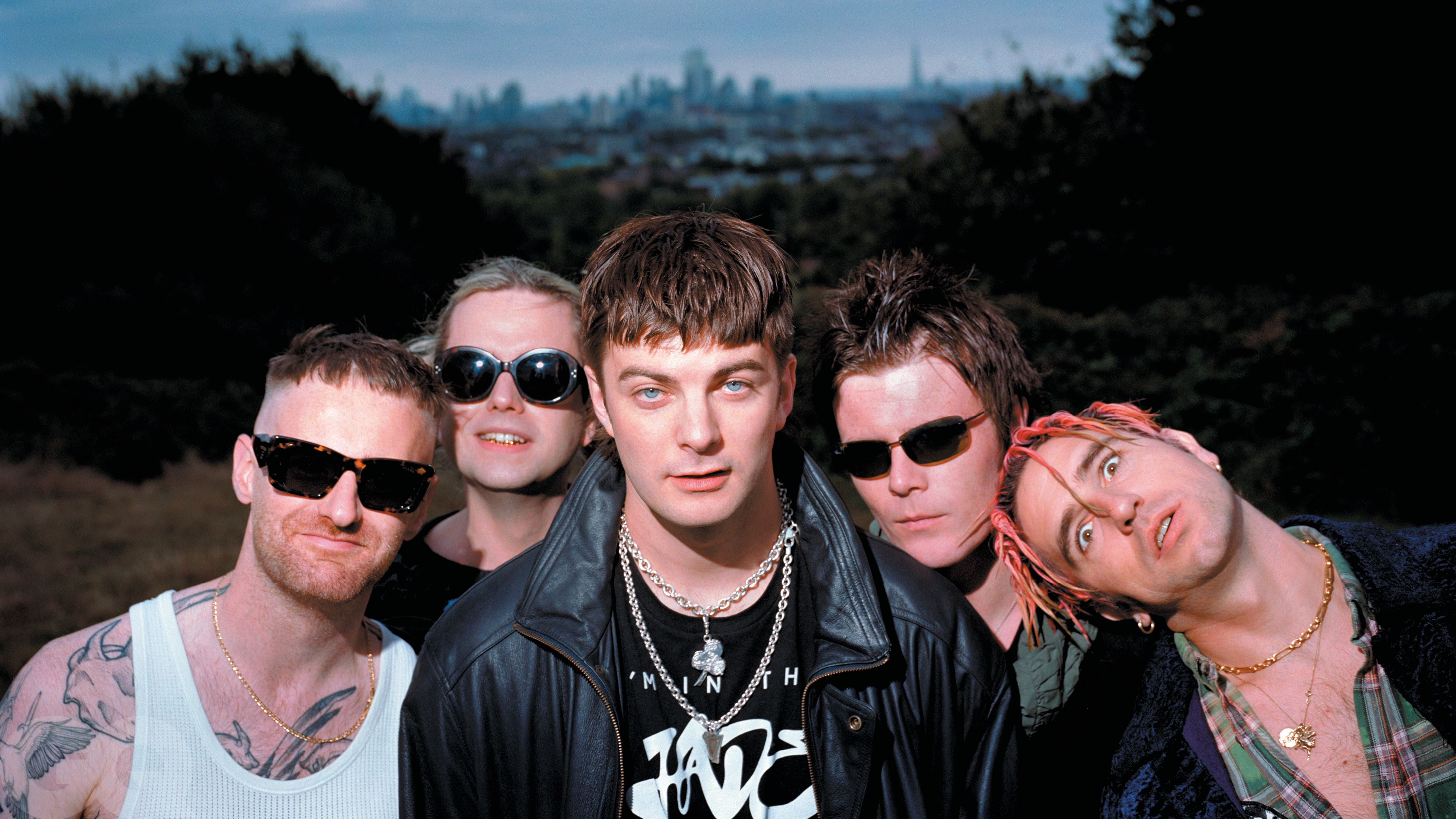
Fontaines D.C. have teamed up with Rosalía for their new collaboration, Where Is Gone?.
The song features on the Irish rock band's forthcoming album, Dopamine Chamber, which arrives on Friday (16.10.26). For guitarist Carlos O’Connell, working with the Spanish superstar is particularly special because of his own Spanish roots.
He explained: “I’ve admired Rosalía ever since her debut album, which I thought was absolutely beautiful.
“What excited me most was the way she continued to preserve Spain's musical traditions, something that felt spiritually connected to what we've been trying to achieve with Irish music. Having roots in both countries, it's been really special to witness. "She's an artist who has continued to amaze me at every point in her career.”
Frontman Grian Chatten has also described the collaboration with Rosalía as one of the most memorable achievements of his career.
He revealed that he felt "humbled" when she agreed to lend her voice to the band's album.
Speaking to NPR, Grian said: “I've always felt there's something almost like a single big idea that I'm personally trying to communicate to the world before I get old and die, if that makes sense. There's one thing I think I'll spend my life trying to express. I have a feeling she has a similar outlook. … I mean, she's an amazing arranger, composer and lyricist. It means so much that she wanted to sing on something we'd put together. It's definitely one of the highlights of my career.”
Rosalía's links to Irish rock music extend beyond Fontaines D.C. She also offered inspiration and helped develop the Spanish lyrics for U2's The Mirror Maker (Rosalía), a track from their forthcoming album, Carnaval de Luz.
During an appearance on The Tonight Show Starring Jimmy Fallon last week, she spoke about frontman Bono, saying: “I don't know him personally, but he sent me a text explaining that he was working on a new project and had written a song called The Mirror Maker."
Rosalía joked that Bono had invented a few words of his own.
She recalled telling him: “I wasn't sure what to make of it, but I told him he could create his own language if he wanted to.”
She described the opportunity to collaborate with the 66 year old music veteran as a real privilege.
She added: “Bono is a legend.
“It's amazing.”
Bono recently revealed that he was worried about seeming like a stalker when he reached out to Rosalía to ask whether he could name the song after her.