Back in March, veteran country concert promoter Louis Messina was thrilled when George Strait sold out his Aug. 13 and 14 comeback shows at T-Mobile Arena in Las Vegas. On the nights of the concerts, however, Messina noticed that the no-show rate was a staggering 20%, far higher than the 1% to 2% he says is typical for the venue. And no-shows don’t only mean less revenue from food and merchandise -- they make promoters nervous about future ticket sales.
For over a year, Messina, who partners with AEG, had kept tours off the road, paying his staff $9 million in salary without any revenue coming in (money he later recouped from the Shuttered Venue Operators Grant program). Now the concert business is back to work, but a significant number of fans aren’t ready to show up.
“People’s fears haven’t subsided as much as we had hoped,” says Messina, “and they’re walking away from events.” Breakthrough cases are driving concern about contracting COVID-19, even among the vaccinated, and concerts where attendees aren’t required to wear masks or prove they’ve been vaccinated pose even greater risks. (T-Mobile Arena doesn’t currently require either.)
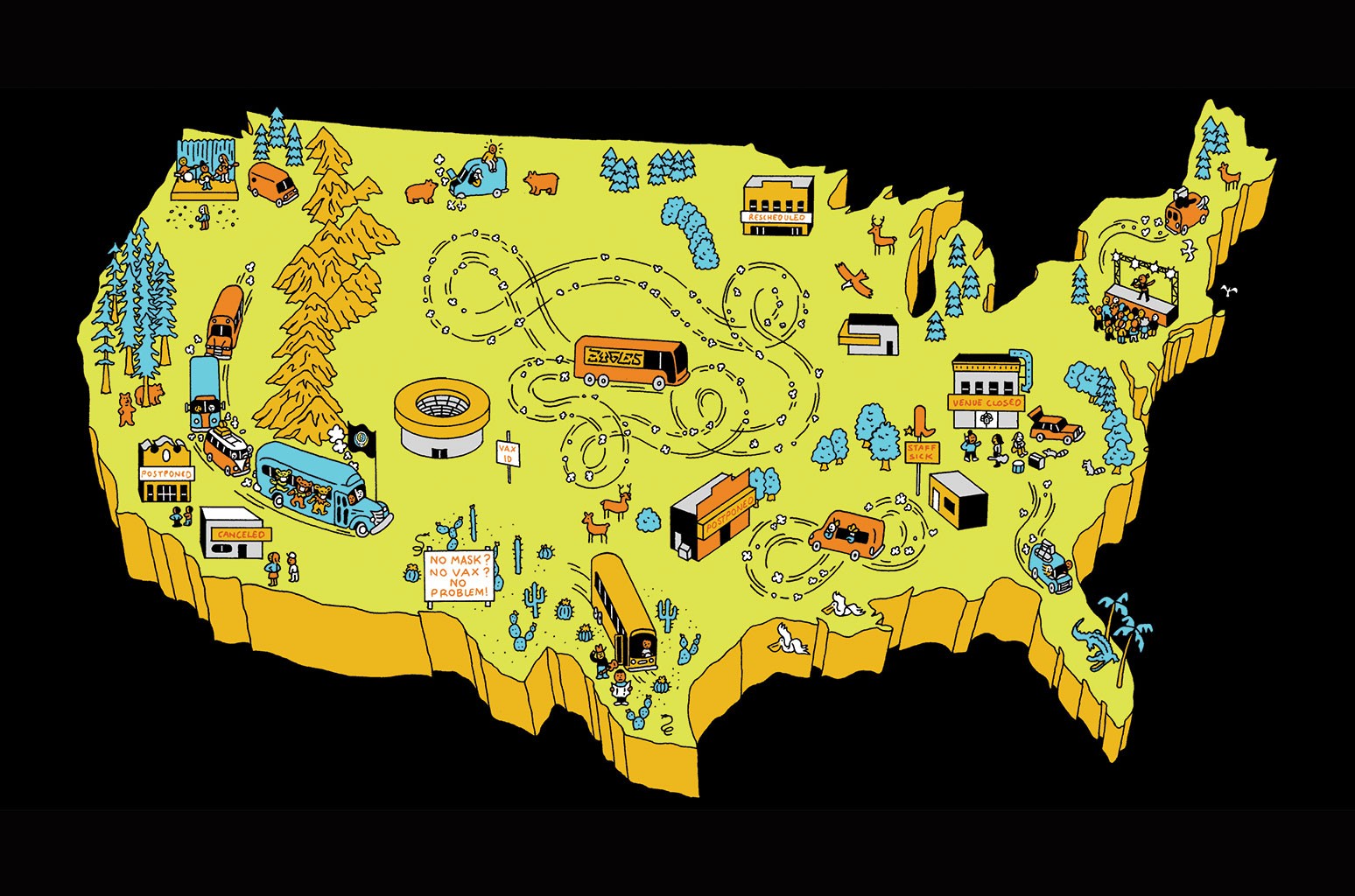
Since April, when Bad Bunny sold out an arena tour in record time, promoters, artists and fans alike were expecting the concert business to return this summer, get back to normal by 2022 and thrive on pent-up demand. Instead, uncertainty is back: COVID-19 cases are rising, vaccines don’t provide perfect protection, and parents of children under 12 may be worried about catching the virus at a show and spreading the delta variant at home. That uncertainty seems to be affecting demand: There’s growing evidence that ticket sales are slowing for indoor arena concerts.
Messina’s suggested solution: Require fans, artists and crew members who enter concert venues to show they’ve been vaccinated. “If we don’t do something about this slowdown in the business,” he says, “we’re no longer going to have a business.” But that’s easier said than done, since there’s still plenty of pushback against vaccine and mask mandates, which have been highly politicized. Requiring vaccines is now banned by executive order or legislation in 20 states.
Still, hundreds of U.S. venues have already enacted such mandates and thousands more are on the way. In August, promotion giants Live Nation and AEG Presents said they would require fans to show proof of vaccination to attend shows at venues they own, as well as at concerts and festivals they produce. And most of the more than 7,000 independent venues that received government assistance under the Shuttered Venue Operator Grants program have joined regional groups that mandate vaccine requirements for concerts.
That still leaves most arenas and stadiums, though. In the United States, about 100 to 200 arenas and 30 to 50 stadiums host the vast majority of the tours that play venues of that size, and without a national mandate, promoters that want to book them face an array of state and regional regulations. New York and California currently require events of 5,000 or more to check the vaccine status of attendees, for example, while the governors of Texas and Florida have issued executive orders that ban such mandates. The touring industry can’t resume at full scale without these venues, which account for up to $10 billion in ticket sales each year, Billboard estimates.
“I can skip Texas and Florida if they don’t change their laws, but I cannot skip much more than that,” says Messina. “This issue has been so politicized that it’s impossible for some artists to take a side.” That’s especially true in genres like country, where some artists have significant conservative fan bases.
Part of the problem is that no one wants to play the heavy -- especially to fans who have already purchased tickets. “It’s even more difficult when the concert was announced without a vaccine requirement and we’re trying to implement them after the fact,” says Red Light Management founder Coran Capshaw. “There has to be a cultural moment when most people in the business overwhelmingly support this idea.”
Since most arenas and stadiums are owned and operated by sports teams or city governments, they can only move so fast. “The arenas are all getting their heads around our suggestions,” says Jay Marciano, chief executive at AEG, which manages over 300 venues worldwide. “They aren’t as able to move on the dime as our concert venues.”
A concert-business vaccine mandate would significantly decrease the chances of fans contracting COVID-19 at shows, and potentially make ticket buyers more confident. But even that wouldn’t provide the kind of 100% protection that some promoters were hoping would bring the pandemic to a definitive end. While vaccines provide significant protection against the kinds of serious COVID-19 cases that can lead to hospitalization or death, they don’t offer complete immunity from contracting or spreading the virus. That means going to a concert still comes with some risk, which is affecting consumer confidence. Demand on the secondary market for Dead & Company’s highly anticipated 29-date amphitheater/stadium tour that started Aug. 23 has plummeted as cases of the delta variant spike, according to concert data site TicketIQ, with prices for many shows dropping by 40%. The Eagles, who can typically sell out a tour in days, took much longer than usual to fully sell their 21-date Hotel California tour.
A vaccine mandate is still a worthy goal -- it could have significant public health benefits and reassure fans that promoters are doing everything they can to keep events safe. But there’s an increasing acknowledgement that the idea the pandemic would end swiftly and definitively may have been wishful thinking.
“We’re going to get to a point where we learn to live with the virus,” says Capshaw, who thinks promoters will be able to incentivize fans to get vaccinated and use data to minimize viral spread. “We’re having really good business out there.” Capshaw believes that some of the tour cancellations attributed to COVID-19 may have less to do with caution than with soft sales in a crowded market. In some cases, when too many shows went on sale at once or there wasn’t enough time to sell enough tickets to make the tour profitable, “tying it to COVID isn’t appropriate. It’s bullshit. We have enough challenges in this business; we don’t need to do that.”
The roaring comeback that some industry executives envisioned may not come to pass, but Capshaw says that “early, well-attended shows” give him hope that a recovery is beginning. “I’m optimistic that the full picture will show we’re making progress.”
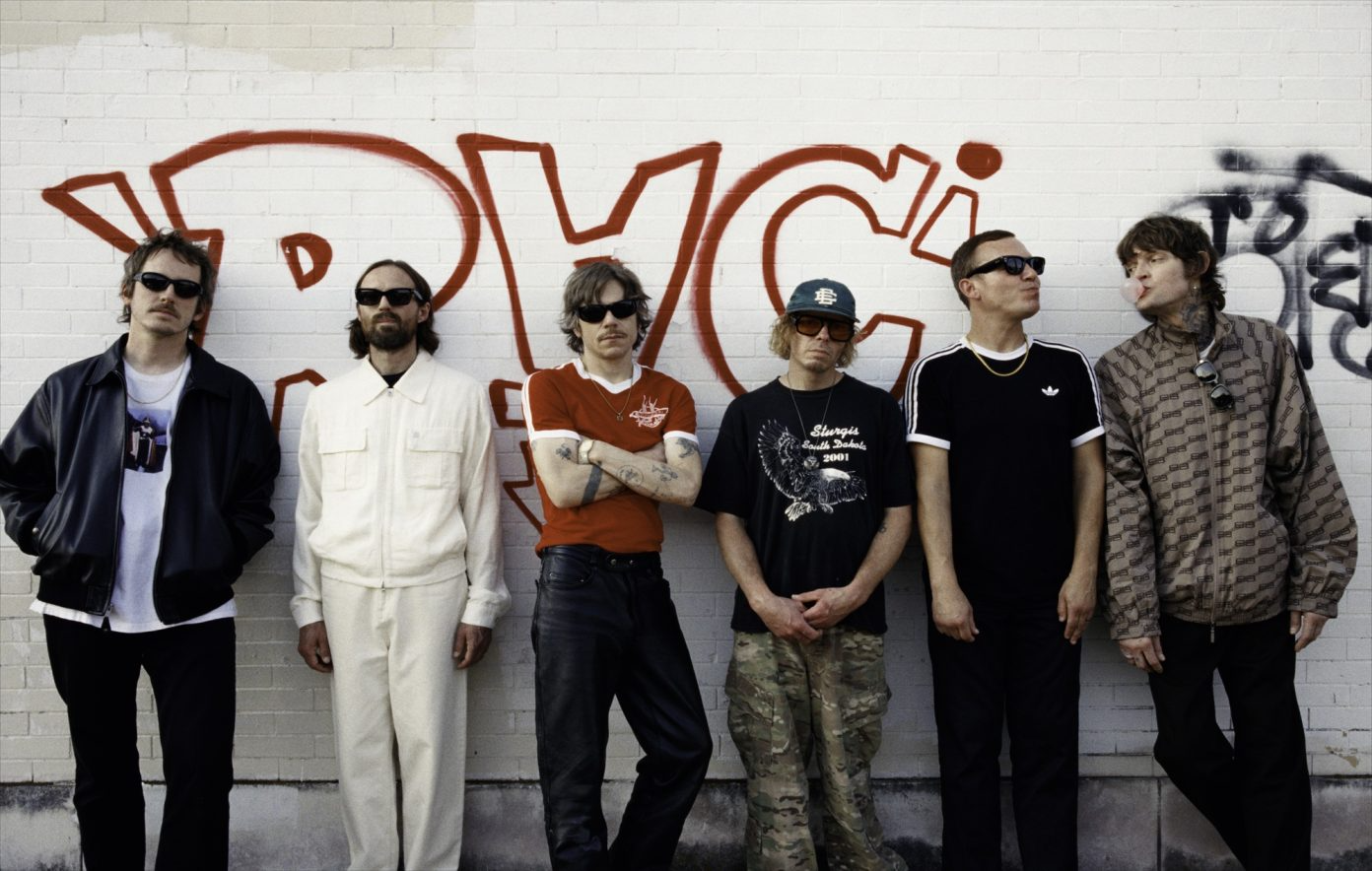
PETA has called on Cage The Elephant to temporarily change their name ahead of their upcoming NFL halftime performance in Munich later this week.
The band are scheduled to perform during the New England Patriots vs. Detroit Lions game this Sunday (November 15).
Ahead of the show, PETA has asked Cage The Elephant to change their name across their social media accounts to Free The Elephant for one week.
According to a press release from the animal rights group, an elephant named Okha “has spent most of her life forced to perform in the circus under the threat of punishment”. The organisation is now seeking support to “help retire her to a reputable sanctuary”.
PETA also alleges that Okha is “currently being hauled around in a trailer with an exhibitor, Brian Franzen”, who supposedly “has a history of felony cruelty to animals charges” and “was caught on camera yanking and striking an elephant with a bullhook”.
In a letter addressed to Cage The Elephant, PETA wrote: “There ain’t no rest for Okha. We think you’d agree that she deserves the chance to spend her remaining years in peace with care, dignity, and respect.
“Lending a rendition of your iconic name for a short while could… help us come a little closer to ending animal cruelty in circuses.”
PETA added that it has already held more than “30 demonstrations on Okha’s behalf, contacted venues hosting animal acts, and rallied tens of thousands of supporters to call for her retirement”.
The group is also asking the public to “call on venues to stop hosting circuses that use animals and help retire Okha to a reputable sanctuary where she could roam expansive habitats, forage, receive expert veterinary care, and have the companionship of other elephants”.
Cage The Elephant have not yet made a public statement about the request, and NME has reached out to the band for a response. Franzen has also not issued a public response to the allegations made by PETA.
The request follows a previous approach by PETA to Led Zeppelin frontman Robert Plant, asking him to temporarily adopt the name ‘Robert Plant Wool’ to help promote alternatives to sheep’s wool.
PETA has also previously urged Nintendo to redesign the popular Mario Kart World character Cow, claiming that its current appearance encourages animal cruelty.
Meanwhile, Cage The Elephant recently revealed details of their upcoming album ‘Dying In Reverse’, which is set to arrive on February 5, 2027, through Big Loud Rock. Fans can pre-order the record here.
The band are also preparing for a UK and European tour in 2027. You can check out the full list of dates here and find any remaining tickets here.