NEWS

In this courtroom artist's sketch made from a video screen monitor of a Brooklyn courtroom, defendant R. Kelly, left, listens during the opening day of his trial on Aug. 18, 2021 in New York.
AP Photo/Elizabeth WilliamsA key witness in the federal racketeering and sex trafficking trial against R. Kelly, Jerhonda Pace, continued her testimony against the R&B singer at the Eastern District of New York courthouse in Brooklyn on Thursday (Aug. 19), detailing allegations of aggressive physical and sexual abuse when she was a minor.
Pace wore a maroon T-shirt and black bottoms, nestling her pregnant belly while remaining composed for the duration of Assistant U.S. Attorney Maria Cruz Melendez's questioning and defense attorney Deveraux Cannick's cross-examination. After two days of testimony, however, Pace finally reached her breaking point.
Melendez asked Pace to read a journal entry dated January 23, 2010, the last day Pace says she had a sexual encounter with Kelly. As she held the paper in hand, Pace began to softly cry. She quickly composed herself, wiping her face with Kleenex, and read the entry aloud to the court.
"I went to Rob's house and Rob called me 'a silly bitch.' Rob slapped me three times and said if I lied to him again it's not going to be an open hand next time," she read. "He spit in my face and in my mouth. He choked me during an argument. I had sex with him -- oral sex with him. I became fed up with him and I went home and confessed."
Immediately after reading the the entry, Pace tearfully asked for a "bathroom break."
As the trial against Kelly entered its second day, at the prosecution's request Pace detailed Kelly's demands during their sexual encounters, at which time Pace was 16. “He wanted me to put my hair up in pigtails and dress like a Girl Scout,” she said. According to Pace, now 28, Kelly would record their encounters with his iPhone or a Canon camera set up on a tripod. In her testimony the day before, Pace explained that on one occasion Kelly told her to come to his tour bus parked outside of his Olympia Fields mansion to be "trained" to "please" him by another woman.
During Pace's cross-examination, Cannick attempted to uncover inconsistencies in her story and paint her as a "superfan." He accused Pace of "stalking" Kelly and lying about her age at first sexual encounter after she claimed to have met Kelly when she was 14 on April 1, 2008, during his child pornography trial that was going on at the time. Pace said their first sexual encounter was 13 months later, when she was 16.
“So you advanced two years in one year and one month?” Cannick confidently asserted in an attempted "gotcha" moment. Pace's birthday, it turns out, is April 19, and she turned 15 only two weeks after her first meeting with Kelly.
Cannick continued to press Pace for answers regarding her reasoning for waiting outside of Kelly's home, previous meetings with the prosecution lasting over five hours and talk show interviews she has given about her relationship with Kelly. Many of these questions were met with "I don't recall," from Pace.
Two other witnesses took the stand on Thursday: police officer Garrick Amschl, who answered a missing juvenile call regarding Gardner that led him to Kelly's home; and Kelly's primary physician of 25 years, Dr. Kris McGrath. McGrath detailed Kelly's history of sexually transmitted infections and testified that he was "100%" certain that the "Step In the Name of Love" singer had genital herpes and prescribed treatment in 2007, supporting the prosecution's charge Kelly knowingly transmitted the infection to women without their consent -- including Pace.
Kelly is facing charges including racketeering, sexual exploitation of a child, bribery, kidnapping and forced labor. If convicted on all counts, he will face 10 years to life in prison.
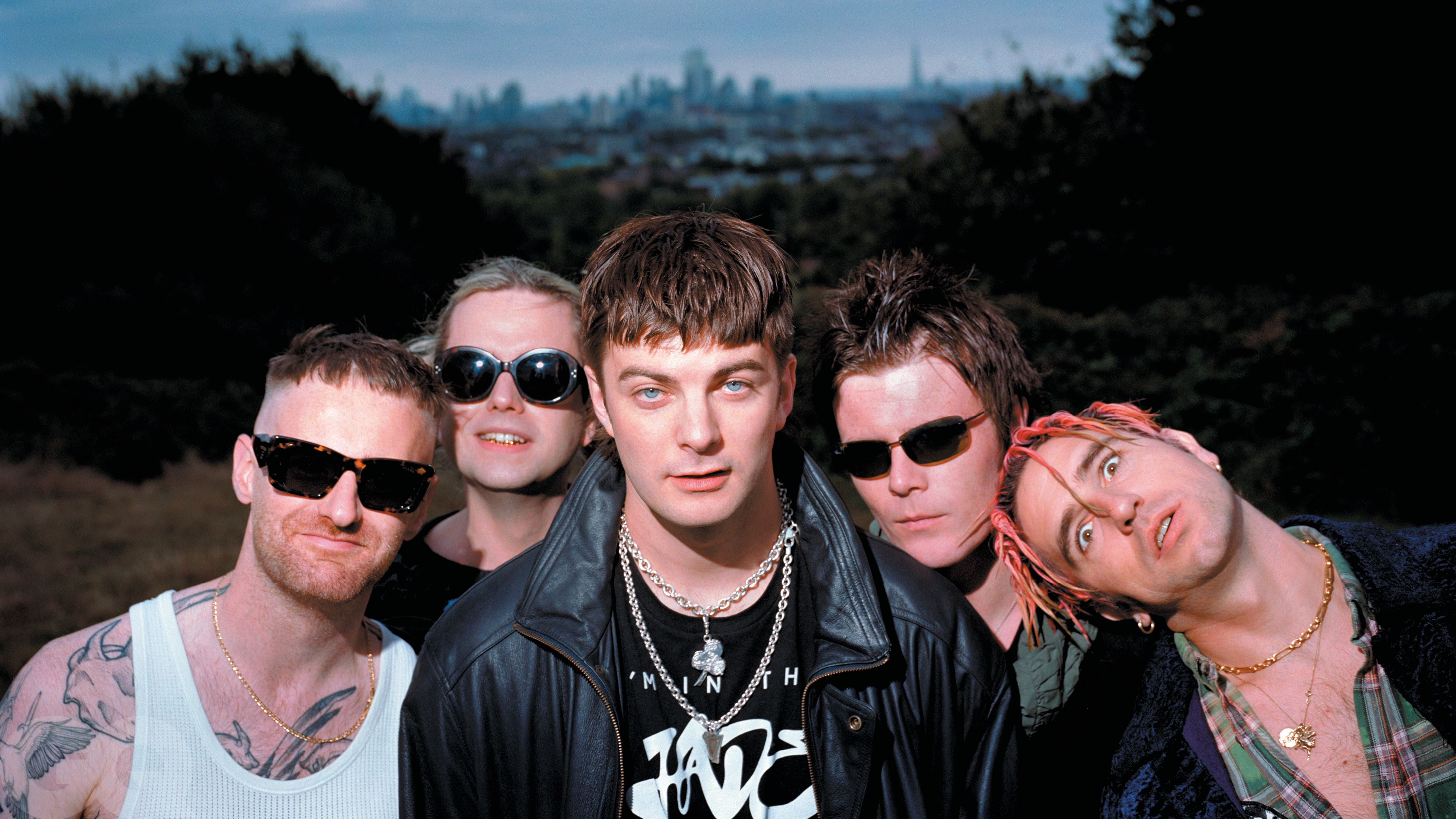
Fontaines D.C. have shared the complete tracklist for their eagerly awaited fifth studio album, Dopamine Chamber, which arrives on 16 October 2026 through XL Recordings. Produced by James Ford, the 11 song project will feature the group’s first guest collaboration, with global pop star ROSALÍA appearing on ‘Where Is Gone?’.
The new record follows their UK platinum certified 2024 album Romance and marks a clear move beyond the guitar focused sound heard throughout much of the Irish five piece’s previous work. Instead, the band explores a more alluring musical direction shaped by electronic elements. Created in London, the English countryside, and Palermo, the album delves into pleasure, danger, and what it means to be human in the modern world. Frontman Grian Chatten called the project a conceptual experiment that draws listeners into an atmosphere designed to alter their mood.
Lead single ‘Marianne’ offers the first taste of the album, which contains 11 original tracks: ‘Six Shot Morning’, ‘Marianne’, ‘Mimesis’, ‘Happy For You’, ‘Demolition’, ‘Tongue’, ‘One Man’, ‘Where Is Gone?’ featuring ROSALÍA, ‘You Miss Me’, ‘Japan’, and ‘Intimate’. Dopamine Chamber will be released on standard and deluxe vinyl, CD, cassette, and all major digital platforms.
News of the album arrives while the Dublin band continues an extensive schedule of shows around the world. After completing sold out arena tours throughout North America, Europe, and the UK in late 2026, including major appearances at London’s O2 Arena and Manchester’s AO Arena, Fontaines D.C. will begin performing at outdoor stadiums during summer 2027.
Their 2027 summer schedule includes two headline concerts at Ireland’s Slane Castle on 26 and 27 June. The band will then play major shows at Cardiff’s Blackweir Fields, Newcastle’s St James’ Park, Manchester’s Heaton Park, Glasgow Green, and London Stadium, where they will headline on 9 July.
Dopamine Chamber can now be preordered, while ‘Marianne’ is available to hear on all leading streaming platforms.