NEWS

Brantley Gilbert
Jeff Nelson*When Valory rolled out Brantley Gilbert's latest single, a label rep said — entirely in jest — that he was officially working the worst country song of all time. He could say that, of course, because it's titled "The Worst Country Song of All Time."
Barely a week later, a staffer at a rival firm groused — not in jest — that the recording was appropriately named. Gilbert was less than impressed with the feedback.
"It's kind of hard to criticize it," he noted. "What are you going to say? 'That's the worst song I've ever heard?' Did you read the title? If somebody hates it, that doesn't really bother me. I mean, you know, we're on the same page."
"The Worst Country Song" is a sendup of every other stereotypical one, slagging the lifestyle linchpins in the genre ("I hate beer and honky-tonk women") and celebrating the stuff that country's songs typically try to escape ("I love cities and traffic jams").
The idea belonged to HARDY, who conceived it on Feb. 22 during a songwriting retreat in Matagorda, Texas, 100 miles west of Galveston on the Gulf Coast. Away from the writers' rooms, he was part of a large group engaged in fishing — one of the activities he would knock in his parody — when the title came up.
"It was a big group of guys," remembers HARDY. "Somebody in the distance just said, 'Well, that's the worst song of all time.' And I just, in my head, I thought, 'What if it was the worst country song of all time?' "
In a session the next day with Gilbert, Will Weatherly ("Thinking 'Bout You," "Good As You") and Hunter Phelps ("That Ain't Me No More," "Drinkin' Beer. Talkin' God. Amen."), HARDY announced he wanted to write "The Worst Country Song of All Time."
"We're like, 'Well, cool. What's it called?' " recalls Phelps. "He was like, 'Worst Country Song of All Time.' We all just kinda looked at him. And he was like, 'You know, I hate beer.' And as soon as he said that, we're all going, 'Oh, that's freaking awesome,' and started throwing out just the opposite of what people want to hear."
They grabbed some of the low-hanging fruit in the opening verse — the singer doesn't know the words to "Family Tradition," "Folsom Prison Blues" or "I Walk the Line"; doesn't care for sweet tea; and thinks "all dirt roads were made for pavin'."
"That was kind of an inside thing," points out Gilbert. "Colt [Ford] and I wrote 'Dirt Road Anthem,' that Jason Aldean cut. How many songs have we written that have 'dirt road' in them?"
During the write, Gilbert asked HARDY if he would sing on the recording — "You don't want to go out on this plank by yourself," says Gilbert — and HARDY got the second verse, which pushes "Worst Country Song" past satire into absurdity.
"We were just kind of writing a really bad song," explains Phelps. "We had done a really good job of making it bad, but if it's going to be called 'The Worst Country Song of All Time,' we have to give them some 'good' stuff."
Phelps came up with a doozy — "Stick a fork in the Constitution" — and HARDY drove it all the way into the gutter with the next line: "I support Kim Jong-Un and Putin/Yeah, this is the worst country song of all time."
"We all just started dying, laughing," says HARDY. "That was just it. It stuck."
Originally, they discussed a burning steel guitar solo to heighten the Southern rock intensity of Weatherly's track, but a sax solo seemed more left of center, and thus a better choice. The Wi-Fi was bad in the room, so Weatherly stepped outside to the bus, located Tyler Summers — a Nashville player he had never talked to — and sent him the section with the chords for the solo, not mentioning the title or giving Summers any clues about what they were after.
They talked about snagging Kenny G or former President Bill Clinton for the final sax part (they eventually kept Summers' skippy solo, finished and returned to Weatherly before the cowrite was even over), and they also decided to pen a bridge that would work for Toby Keith. They envisioned him reciting the section with the same slack attitude that's in "Red Solo Cup" — they even wrote "Solo cup" into the passage — and Keith consented to do it. He did, however, request that they change the back half, which originally slammed freedom and the military, which Keith felt was over the line, even for "The Worst Country Song of All Time."
"We went back and wrote two different versions of it, sent it over, and he dug the version that he ended up using," says Phelps. "But I think the bridge is perfect how it is right now. I love the caviar line and the 'John Deeres are blue.' We definitely beat what we had and also got it tailored for him."
Carrying out the "Worst Country Song" theme, they identified the individual sections as the song progressed: "And the chorus goes …," "Second verse goes" and "And the bridge goes …"
"It kind of softens the blow," observes Weatherly. "When you're hearing the parts, that's kind of like, 'If you were to sing a song like that, it would go like this.' "
Assembling it during the pandemic, Weatherly used the demo as the foundation with drummer Nir Z and guitarists Jess Franklin and Ilya Toshinsky overdubbing their parts remotely. They didn't do anything that would distract attention from the satirical flips in the lyrics.
"I kept everything really, really simple," says Weatherly. "I mean, it didn't need all this crazy stuff. It just needed to be exactly what it was."
The record company agreed. Gilbert sent it with some trepidation to Big Machine Label Group president/CEO Scott Borchetta, who appreciated the joke and thought listeners would, too. Valory shipped it to country radio digitally via PlayMPE on June 17, and "The Worst Country Song" rises from No. 42 to No. 39 on the Country Airplay chart dated July 10.
Gilbert gets that it might not be for everyone, but coming out of a pandemic, he figures a song that pokes fun at its own genre ought to give people a much-needed laugh. So he's pretty much impervious to snide sideswipes from anyone who thinks "The Worst Country Song of All Time" really is the worst.
"If you take it seriously enough to criticize it," says Gilbert, "you're missing the whole point."
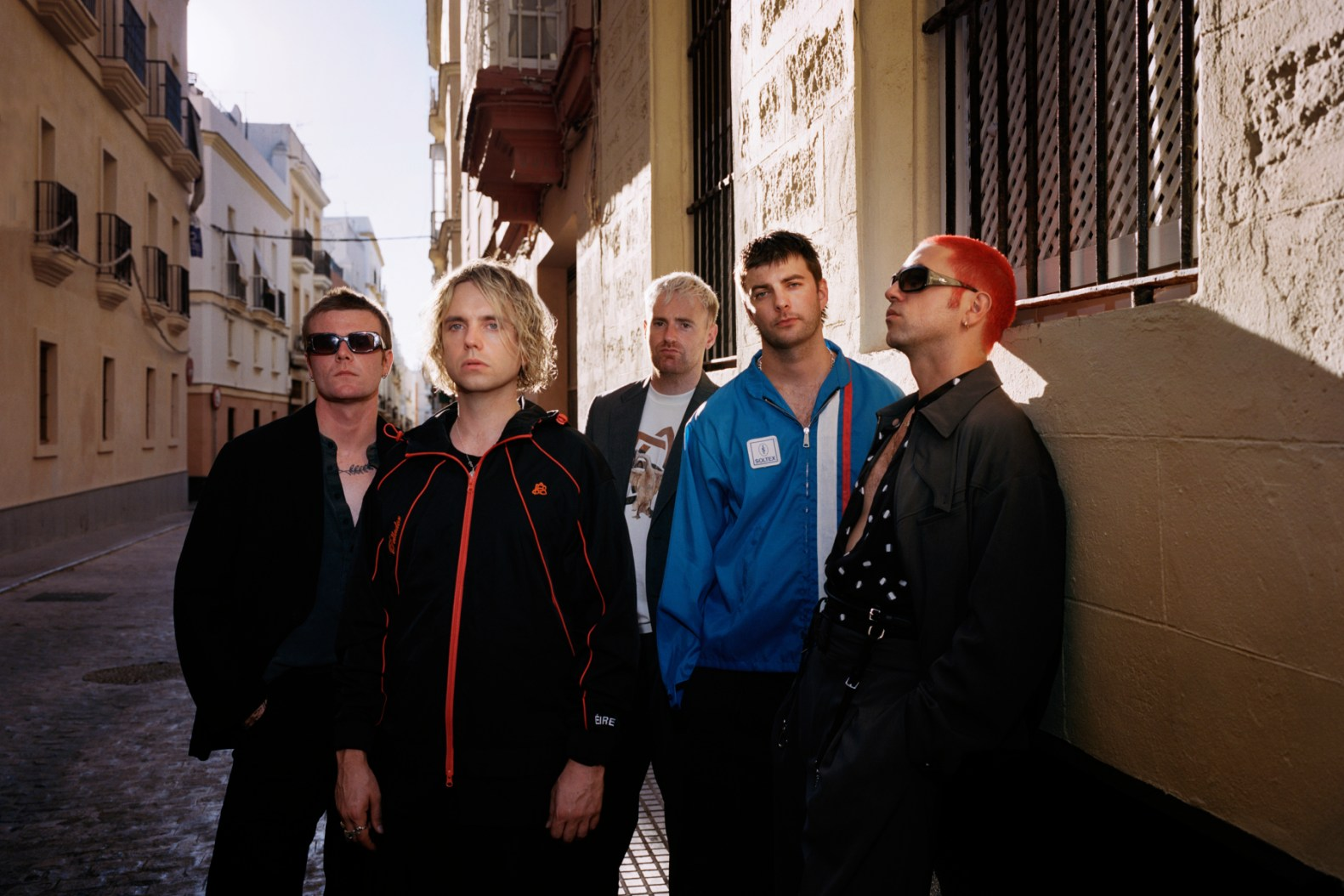
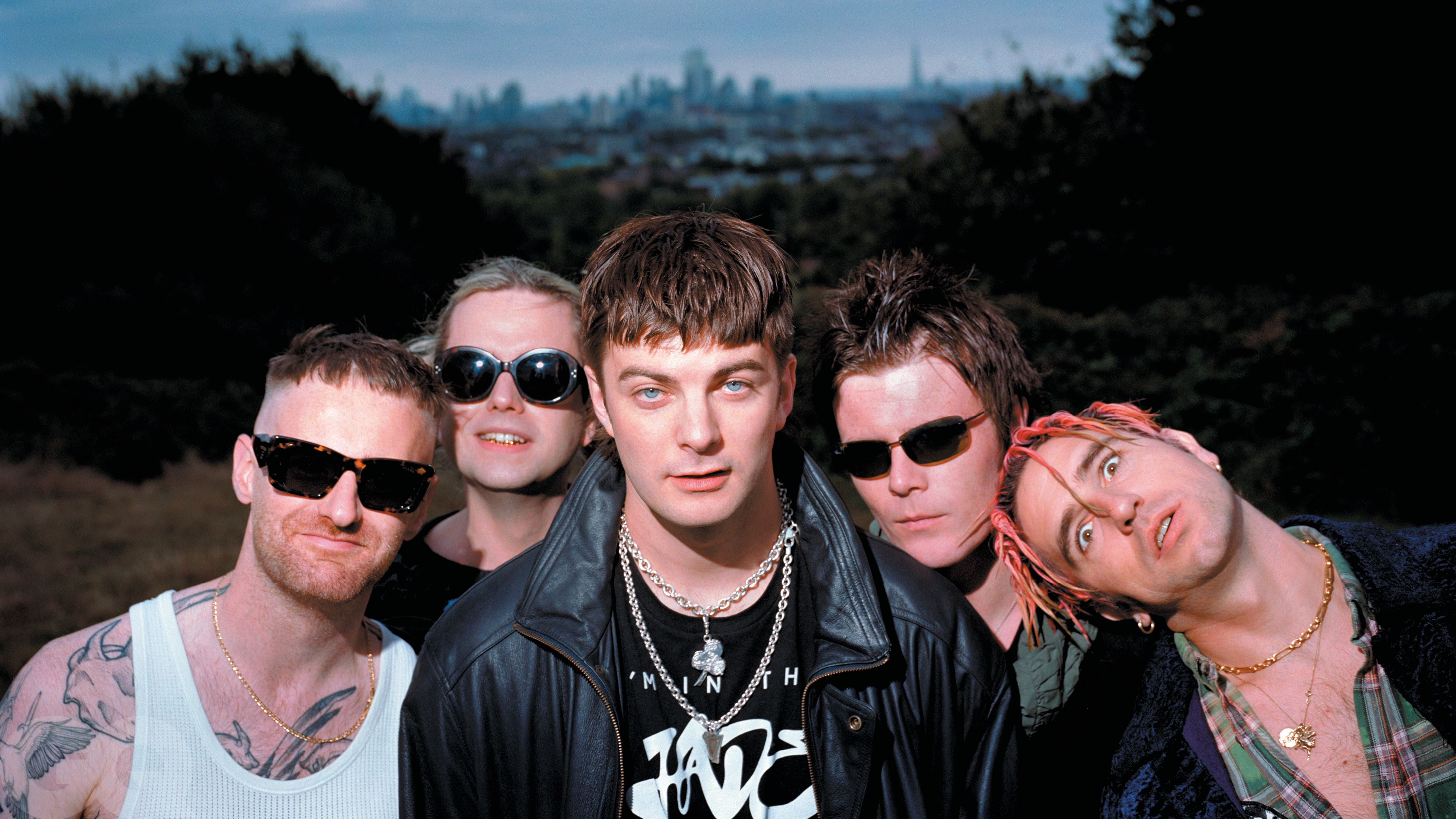
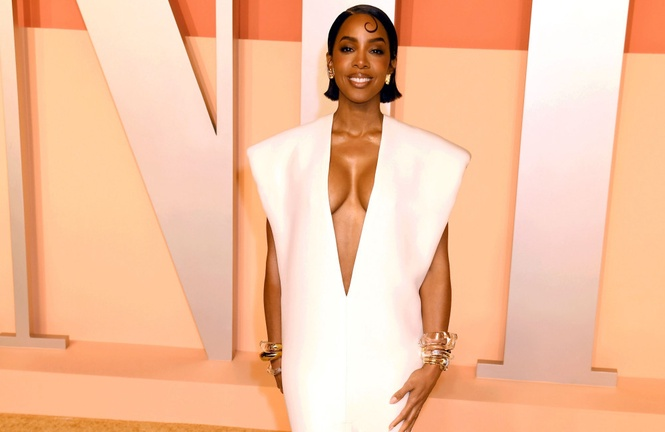
Fontaines D.C. have teamed up with Rosalía for their new collaboration, Where Is Gone?.
The song features on the Irish rock band's forthcoming album, Dopamine Chamber, which arrives on Friday (16.10.26). For guitarist Carlos O’Connell, working with the Spanish superstar is particularly special because of his own Spanish roots.
He explained: “I’ve admired Rosalía ever since her debut album, which I thought was absolutely beautiful.
“What excited me most was the way she continued to preserve Spain's musical traditions, something that felt spiritually connected to what we've been trying to achieve with Irish music. Having roots in both countries, it's been really special to witness. "She's an artist who has continued to amaze me at every point in her career.”
Frontman Grian Chatten has also described the collaboration with Rosalía as one of the most memorable achievements of his career.
He revealed that he felt "humbled" when she agreed to lend her voice to the band's album.
Speaking to NPR, Grian said: “I've always felt there's something almost like a single big idea that I'm personally trying to communicate to the world before I get old and die, if that makes sense. There's one thing I think I'll spend my life trying to express. I have a feeling she has a similar outlook. … I mean, she's an amazing arranger, composer and lyricist. It means so much that she wanted to sing on something we'd put together. It's definitely one of the highlights of my career.”
Rosalía's links to Irish rock music extend beyond Fontaines D.C. She also offered inspiration and helped develop the Spanish lyrics for U2's The Mirror Maker (Rosalía), a track from their forthcoming album, Carnaval de Luz.
During an appearance on The Tonight Show Starring Jimmy Fallon last week, she spoke about frontman Bono, saying: “I don't know him personally, but he sent me a text explaining that he was working on a new project and had written a song called The Mirror Maker."
Rosalía joked that Bono had invented a few words of his own.
She recalled telling him: “I wasn't sure what to make of it, but I told him he could create his own language if he wanted to.”
She described the opportunity to collaborate with the 66 year old music veteran as a real privilege.
She added: “Bono is a legend.
“It's amazing.”
Bono recently revealed that he was worried about seeming like a stalker when he reached out to Rosalía to ask whether he could name the song after her.